Western Flyer - John Steinbeck Fishing Boat Fragment - The Log from the Sea of Cortez


Western Flyer - John Steinbeck Fishing Boat Fragment - The Log from the Sea of Cortez
A piece of literary history, straight from the deck of Steinbeck's journey through the Sea of Cortez. This is an authentic piece of the Western Flyer.
Acclaimed as one of the greatest fiction writers of all time, John Steinbeck also produced one of the great works of travel and scientific writing: The Log from the Sea of Cortez. The book documents Steinbeck's 1940 expedition to the Gulf of California with his friend, marine biologist Ed Ricketts.
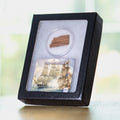
The two men made the trip aboard the Western Flyer, a sardine-fishing boat. This specimen is a piece of Douglas fir wood from the Western Flyer, preserved during the restoration process that saved the boat from dilapidation.
Acclaimed as one of the greatest fiction writers of all time, John Steinbeck also produced one of the great works of travel and scientific writing: The Log from the Sea of Cortez. The book documents Steinbeck's 1940 expedition to the Gulf of California with his friend, marine biologist Ed Ricketts.
The two men made the trip aboard the Western Flyer, a sardine-fishing boat. This specimen is a piece of Douglas fir wood from the Western Flyer, preserved during the restoration process that saved the boat from dilapidation.
Each deck wood fragment is ~2 inches long and 0.75 inches wide. This is a limited-run item with only 170 pieces made. Each includes the Mini Museum Seal of Authenticity and information about Steinbeck's voyage.