Carboniferous Lycopod Tree Root - 5.660"


Carboniferous Lycopod Tree Root - 5.660"
In the ancient past of the Carboniferous Period, plants reached staggering heights. The simple clubmosses of today once reached to the skies, growing to the size of modern trees. What is left from this reign of the plants can be found in coal-rich Carboniferous deposits.
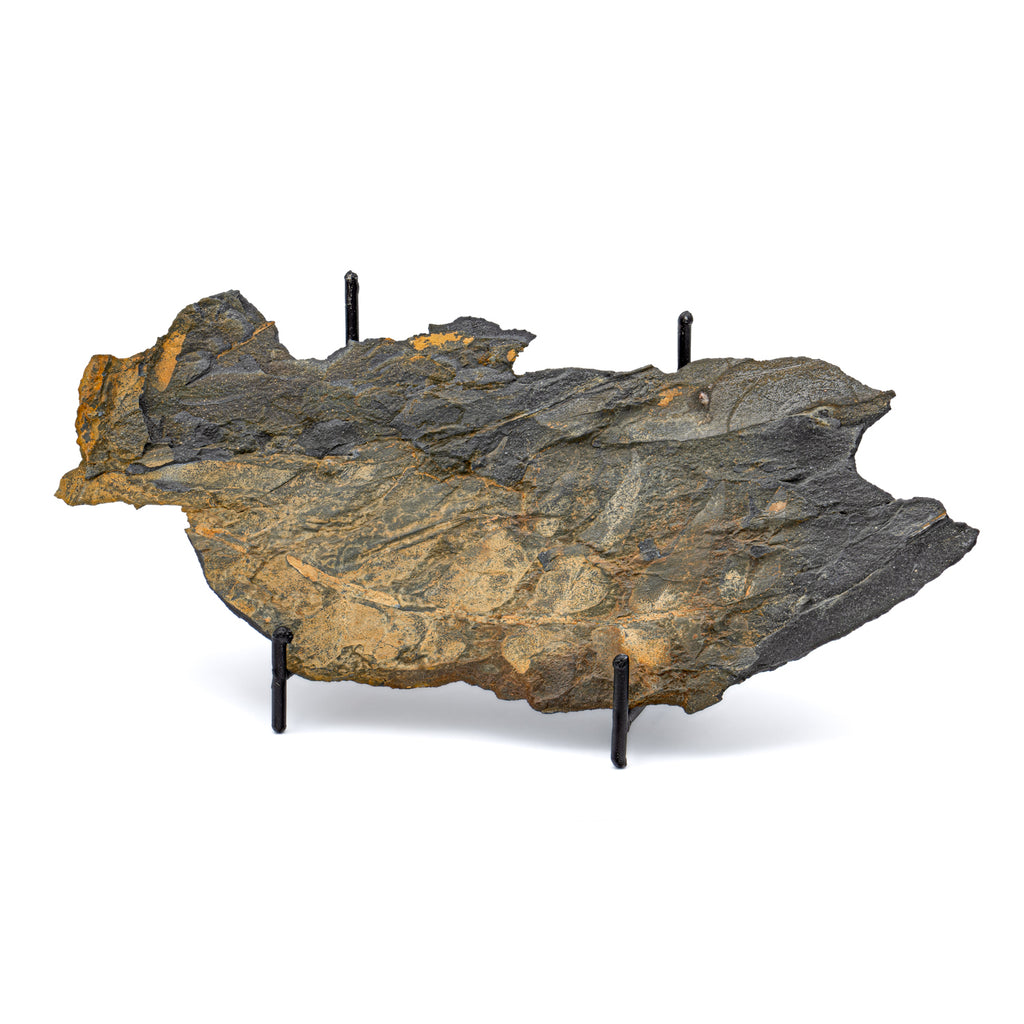
This specimen is a section of a fossilized Lycopod Tree Root, measuring 5.660". These roots once supported a massive Lycopodiopsida plant 300 million years ago.


AN ANCIENT LINEAGE OF PLANTS
During the Carboniferous Period, plant life ballooned across Earth. Most of the plants living today trace their lineage back to this boom time of the Plantae kingdom. Ferns, shrubs, and trees of modest size today were once giants of the ecosystem, growing unrestricted in the wilds of the ancient past.
Lycopods are once such group. Today they are a low-growing plant group, but once they grew as tall as modern trees, supported by vast root networks.


This specimen is a fossil Lycopod tree root, dating to 300 million years ago and sourced from Eastern Oklahoma. Each specimen ships in a sturdy carton and comes complete with a certificate of authenticity.
Check out all of our fossil plants below!


Carboniferous Lycopod Tree Root - 12.094"


Carboniferous Lycopod Tree Root - 5.660"


Antarctic Palm - 4.216"


Antarctic Palm - 3.993"


Antarctic Palm - 3.984"


Antarctic Palm - 3.587"


Antarctic Palm - 3.052"


Antarctic Palm - 3.039"


Antarctic Palm - 2.995"


Antarctic Palm - 2.988"


Antarctic Palm - 2.719"


Antarctic Palm - 2.303"


Antarctic Palm - 2.186"


Antarctic Palm - 1.800"


Antarctic Palm - 1.780"


Antarctic Palm - 1.419"


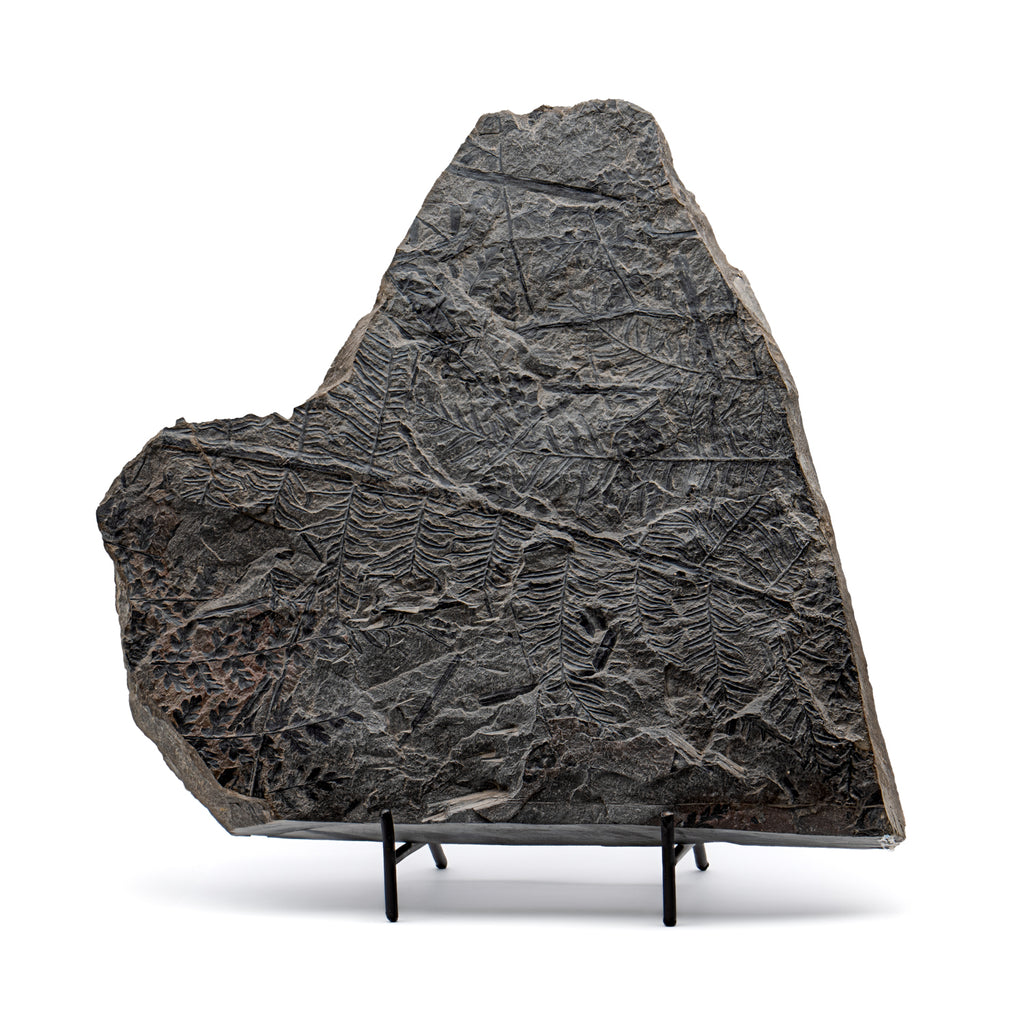

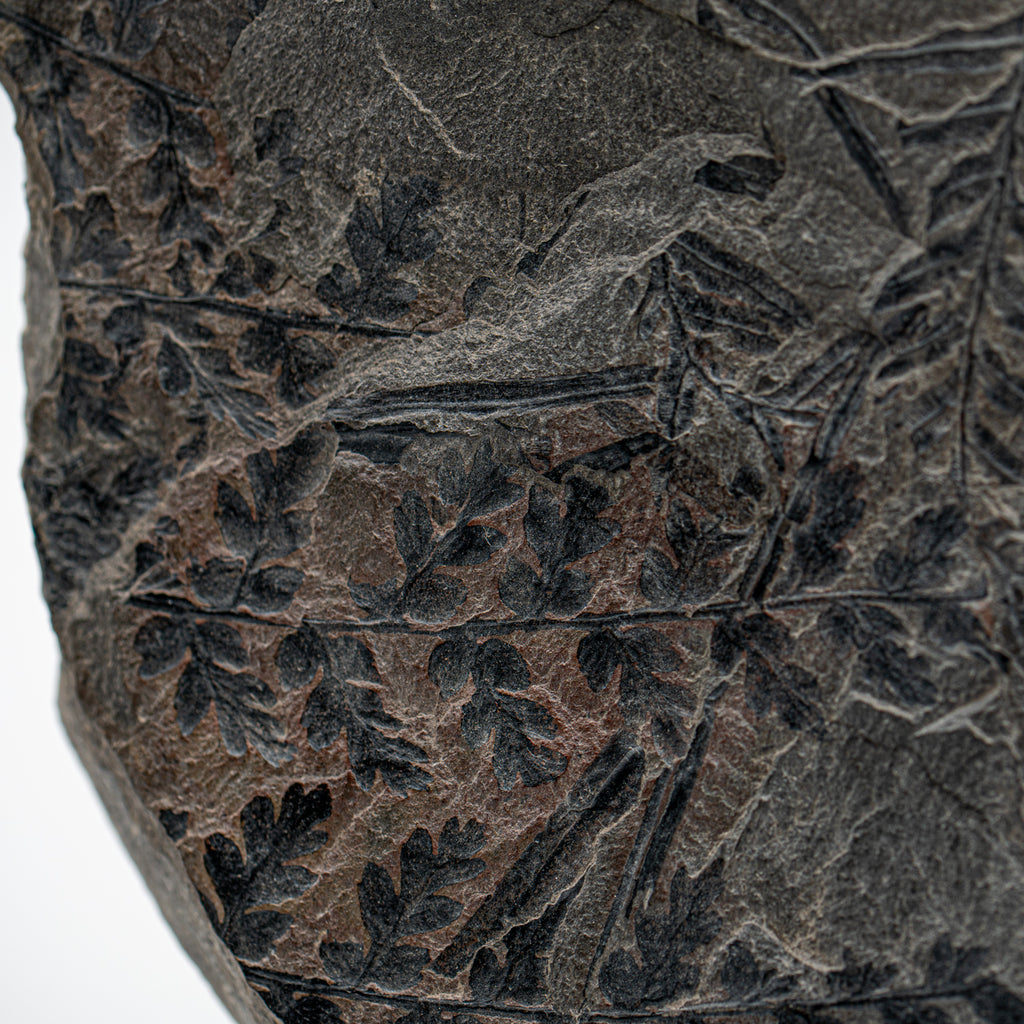


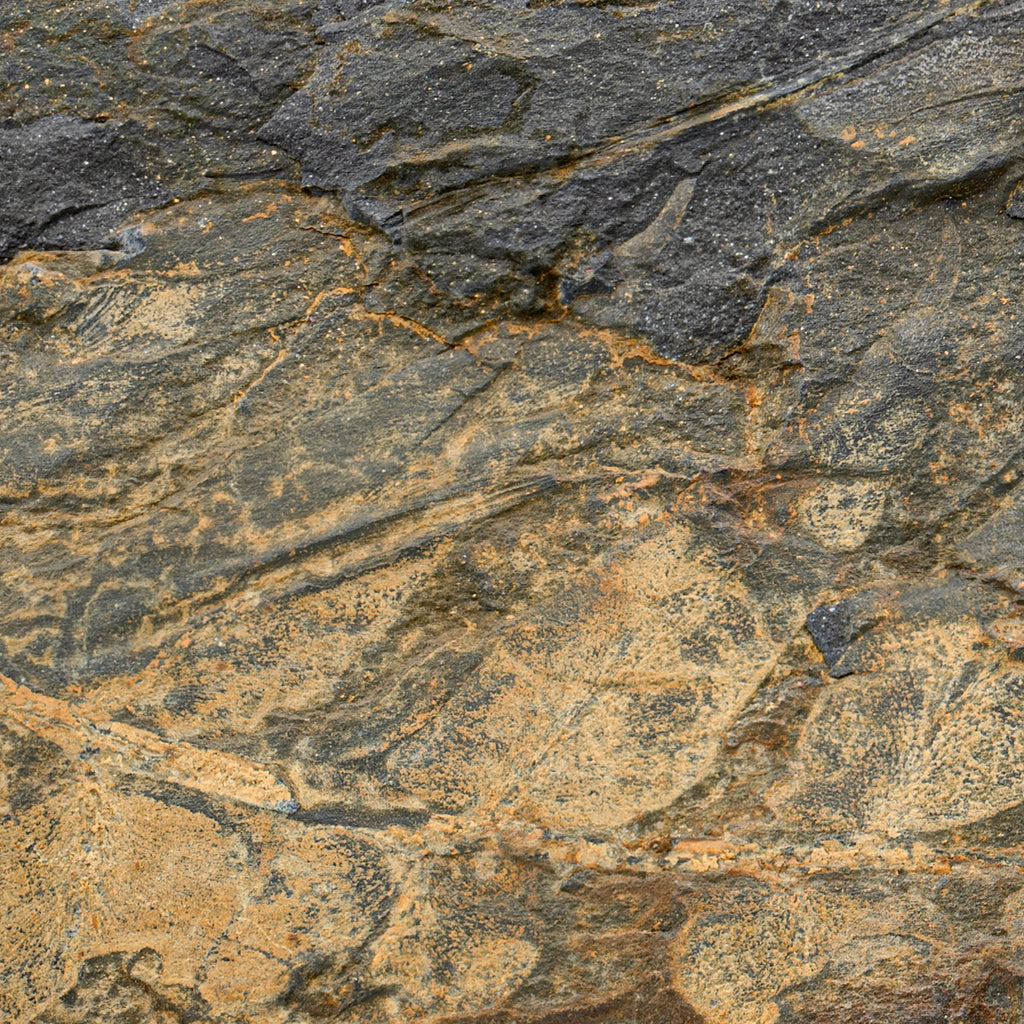

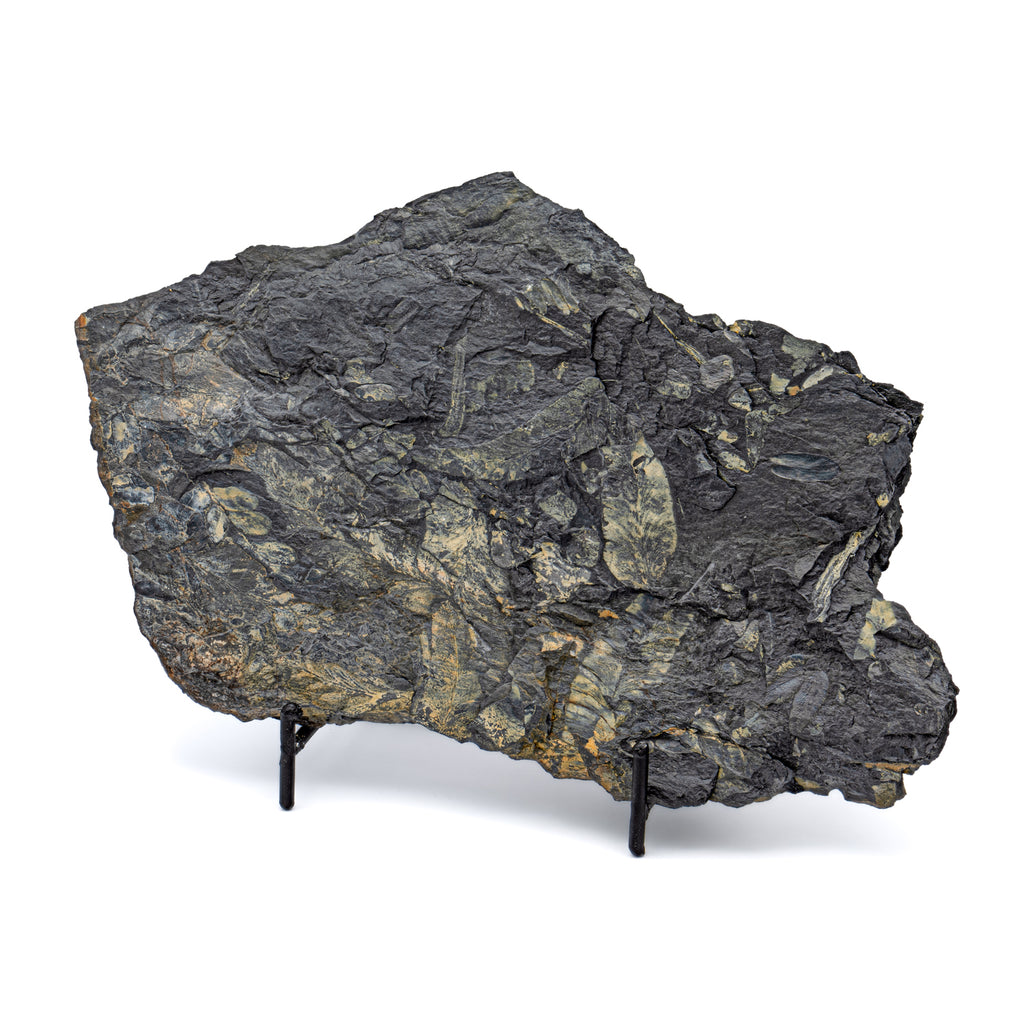

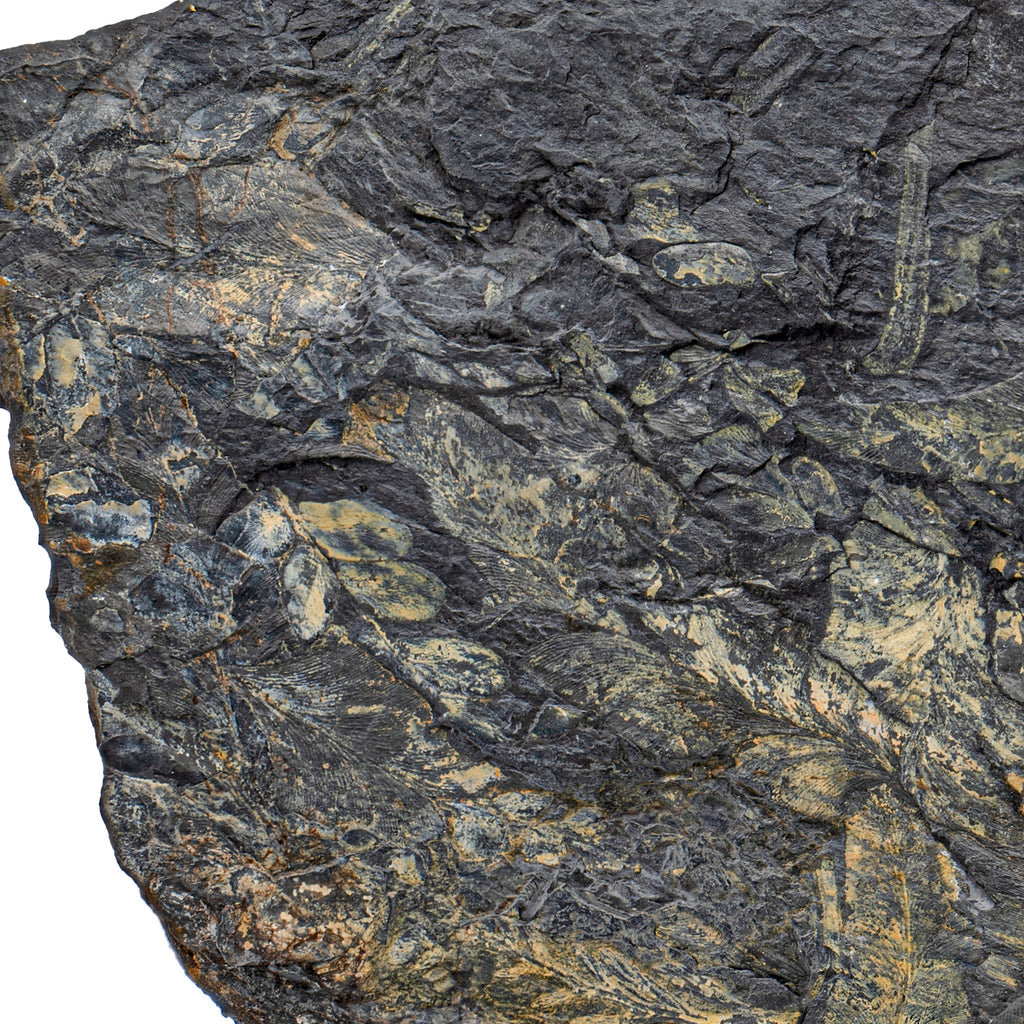

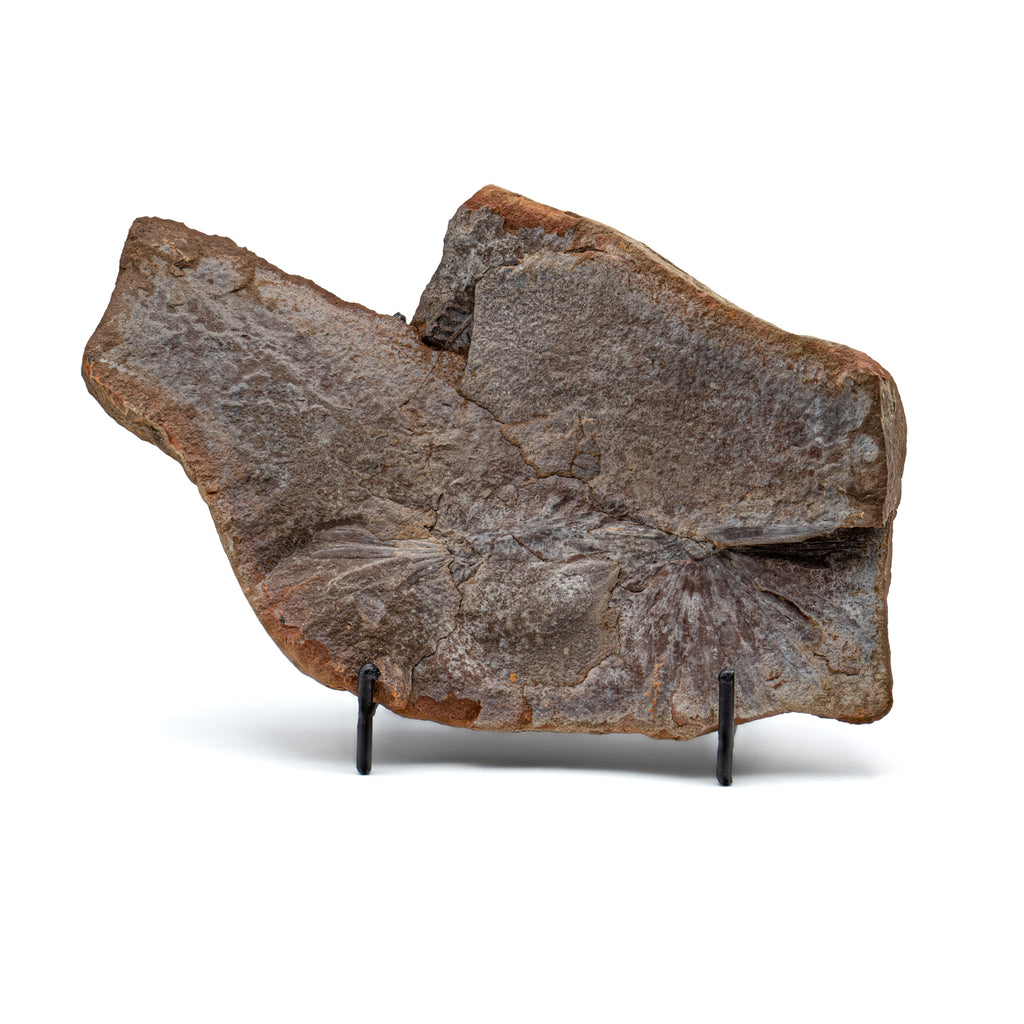

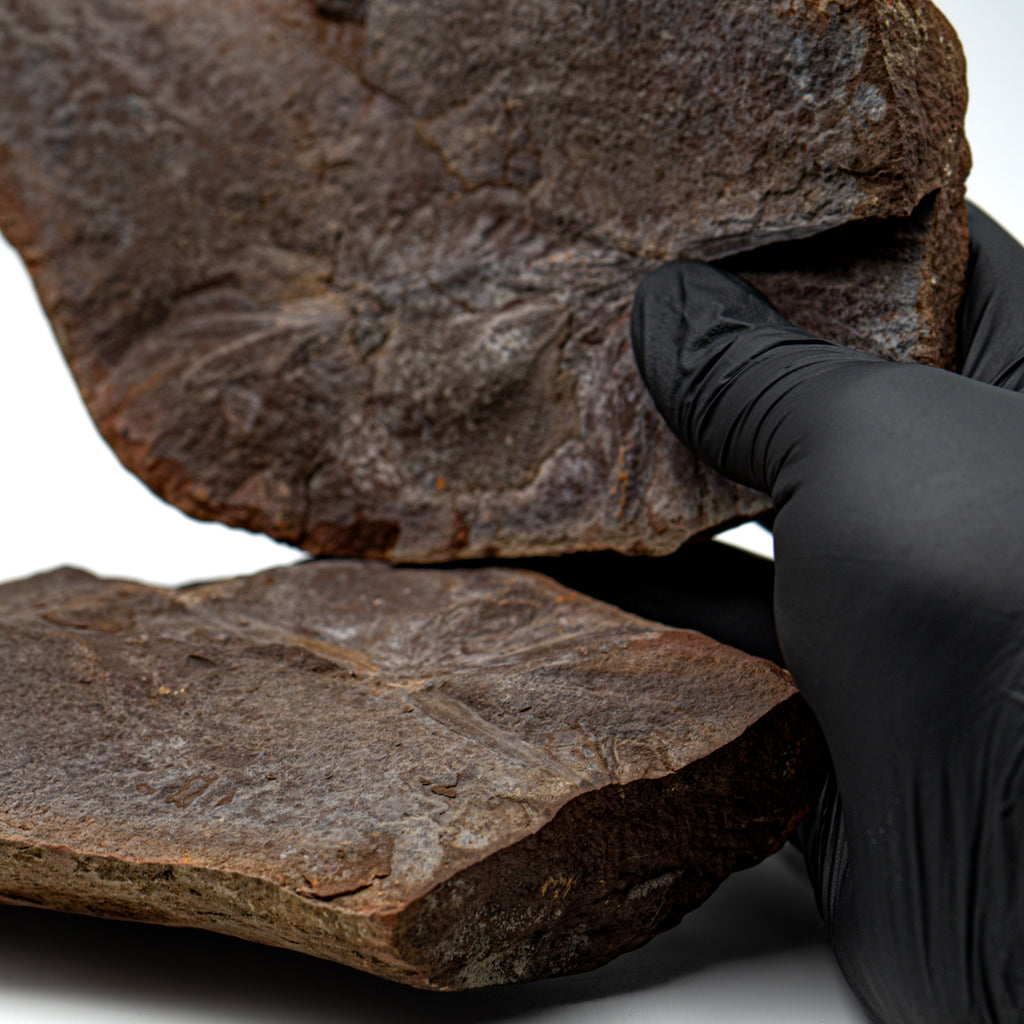

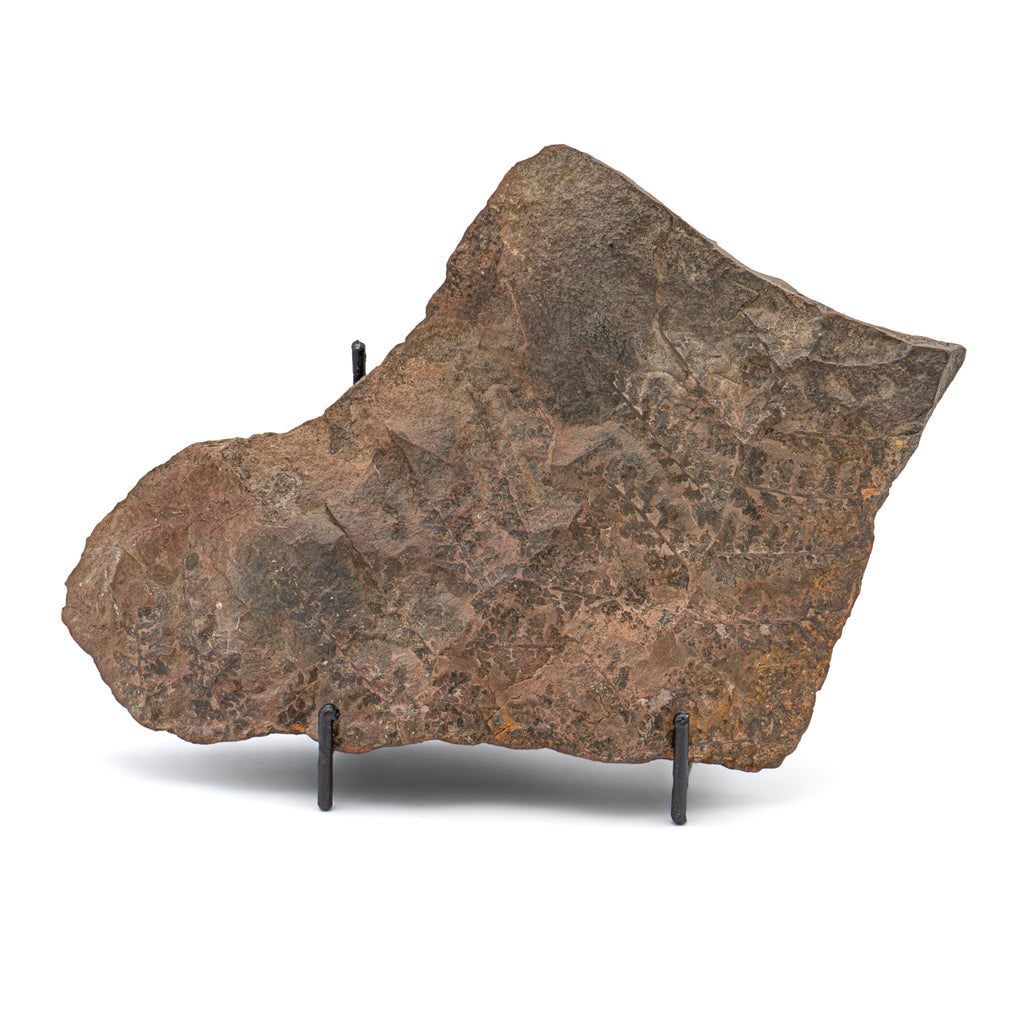

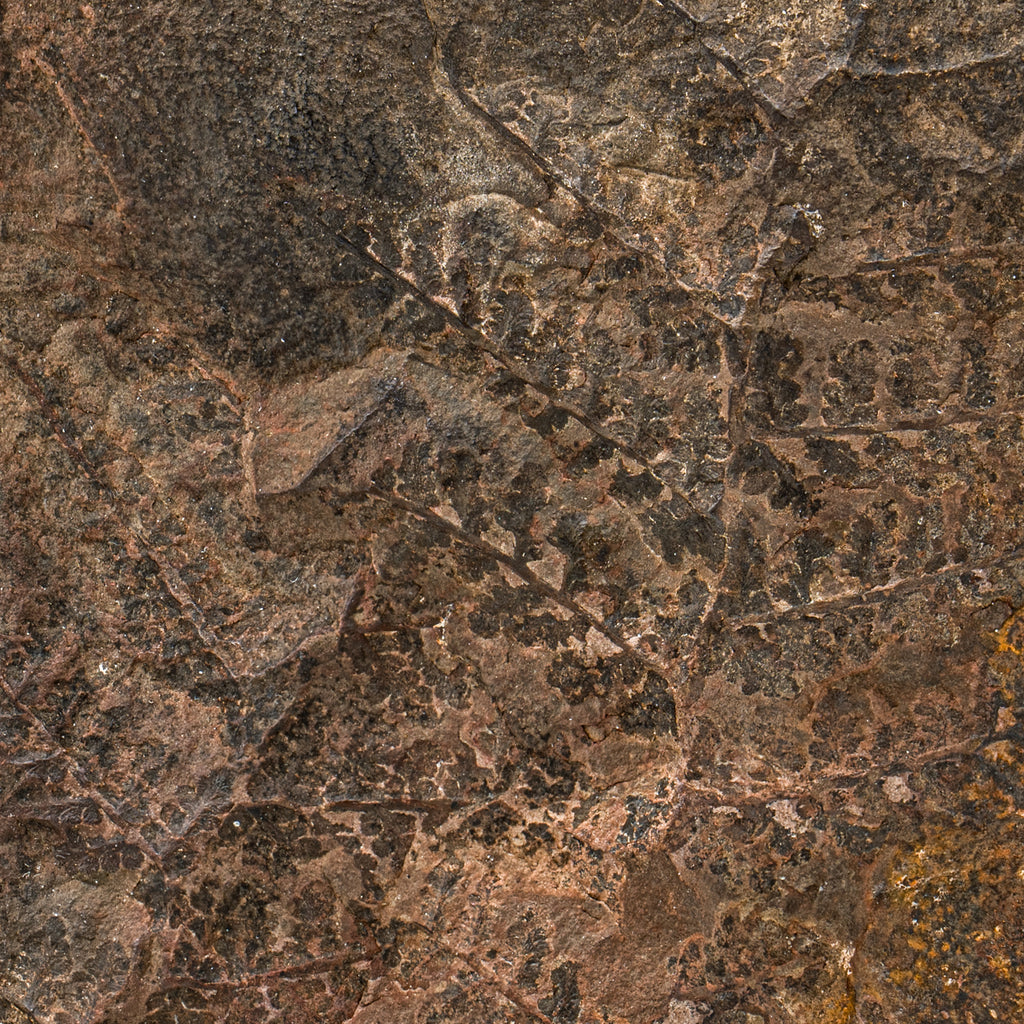

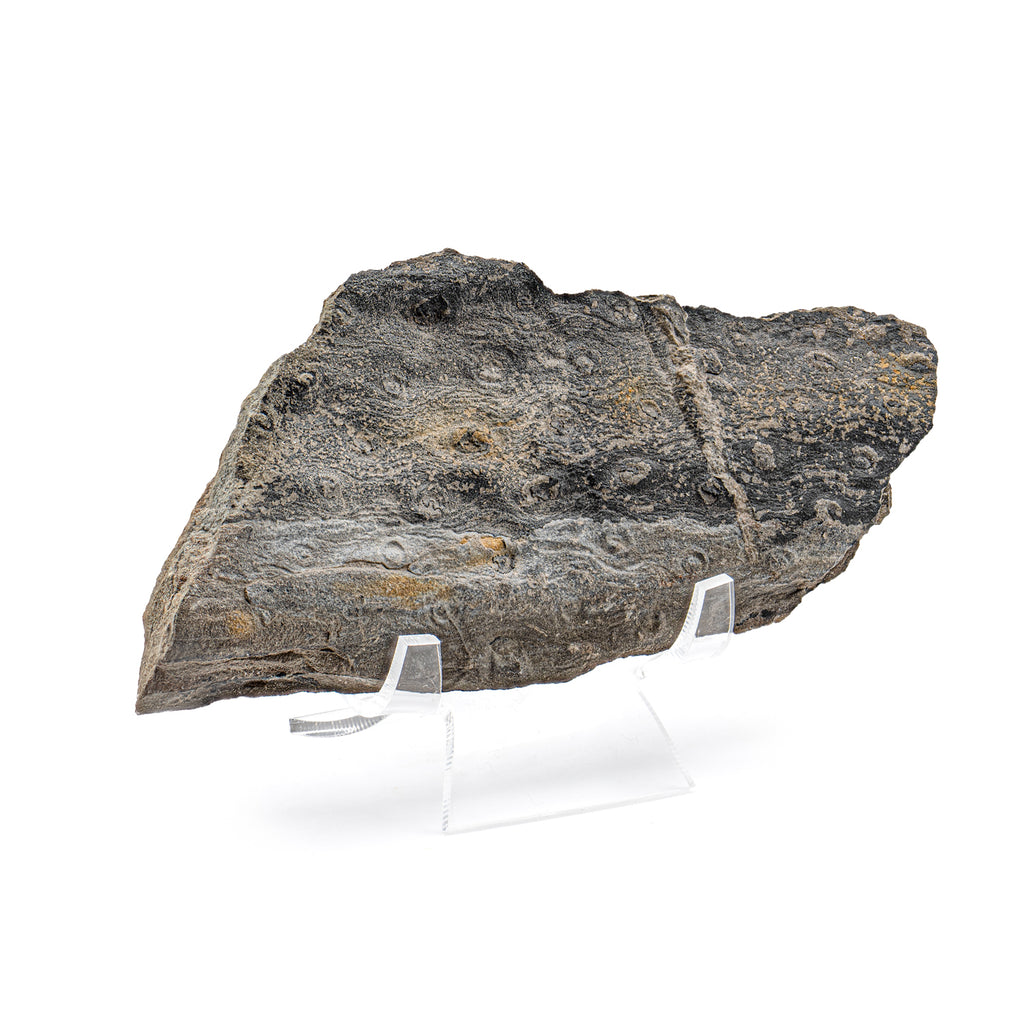

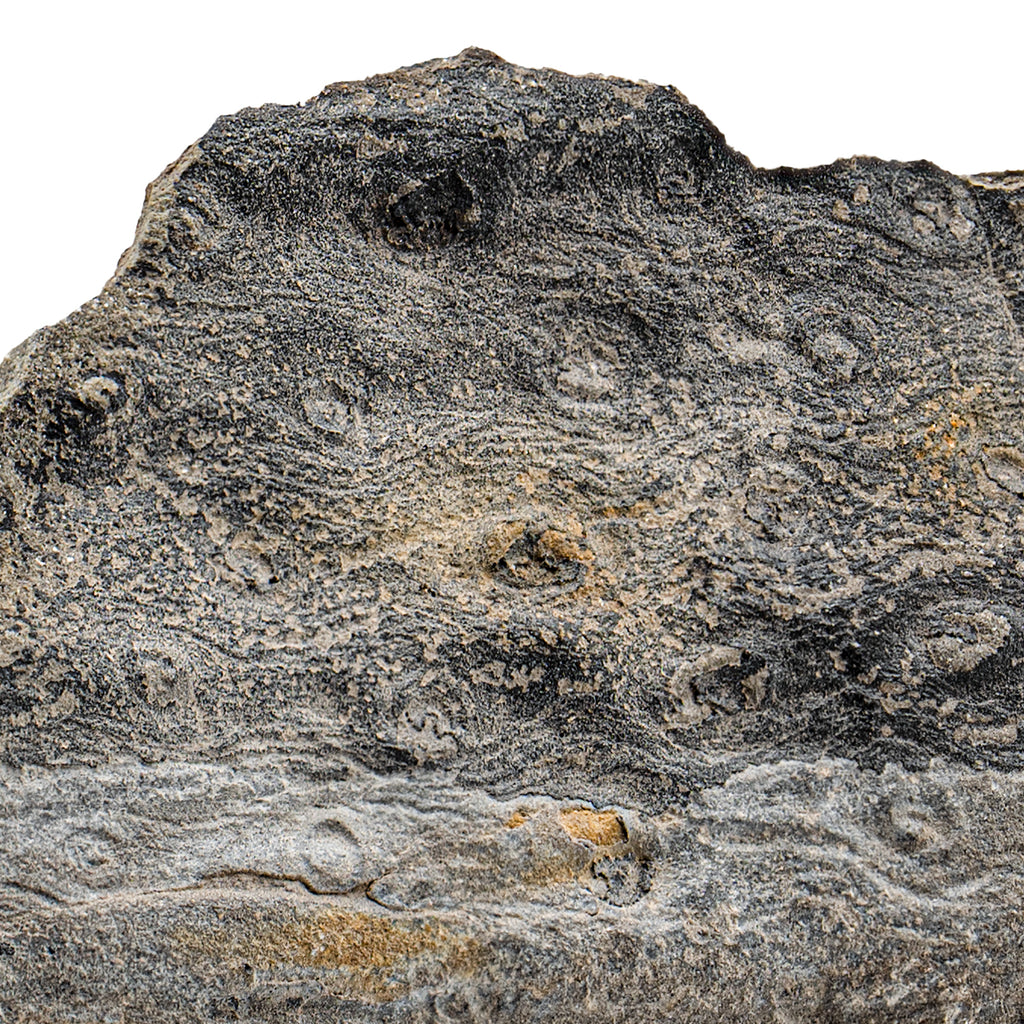

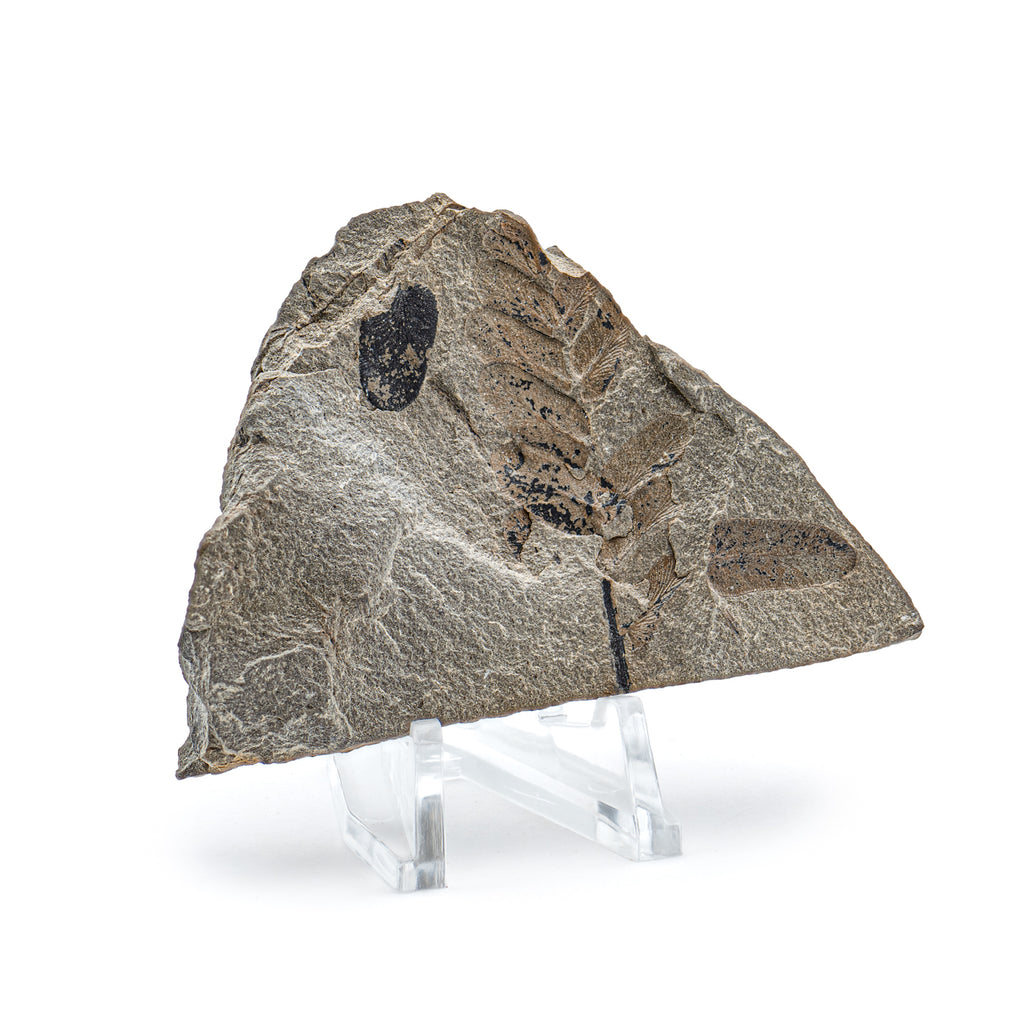

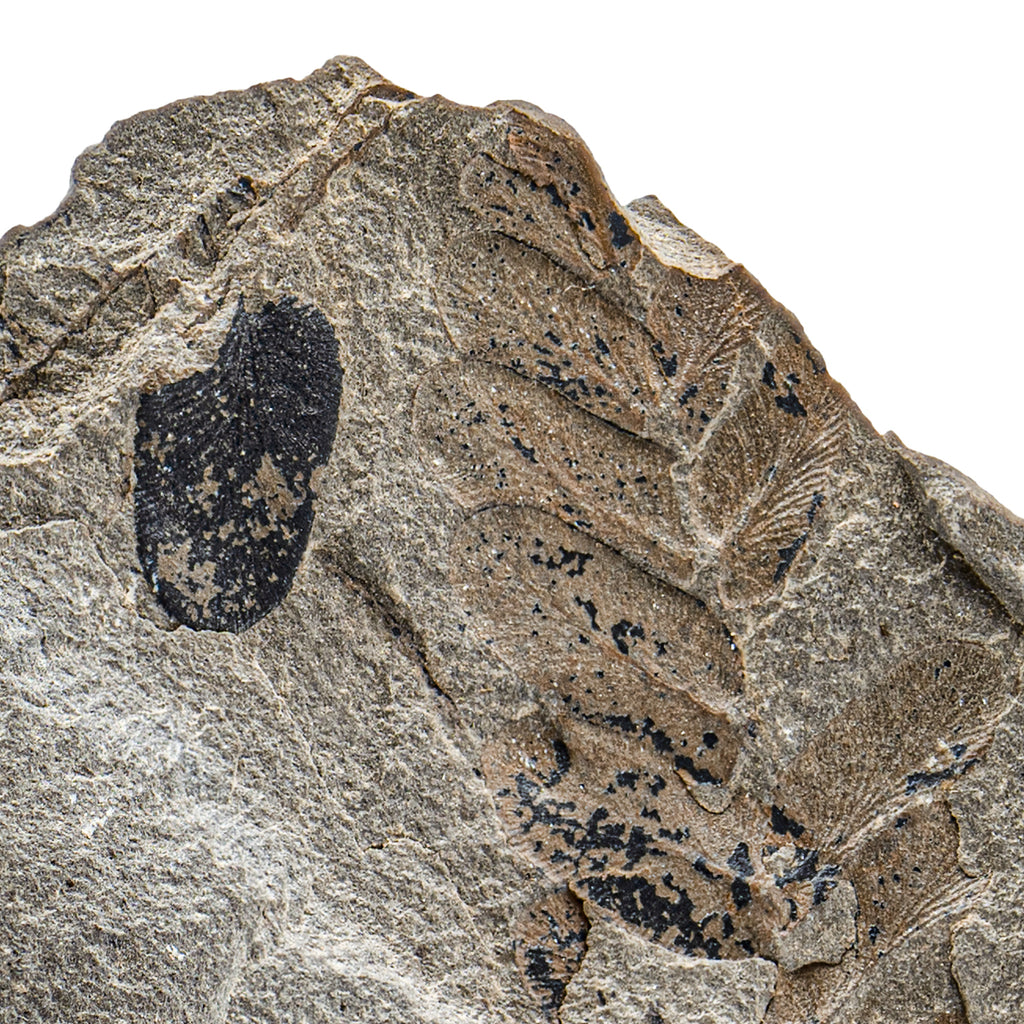

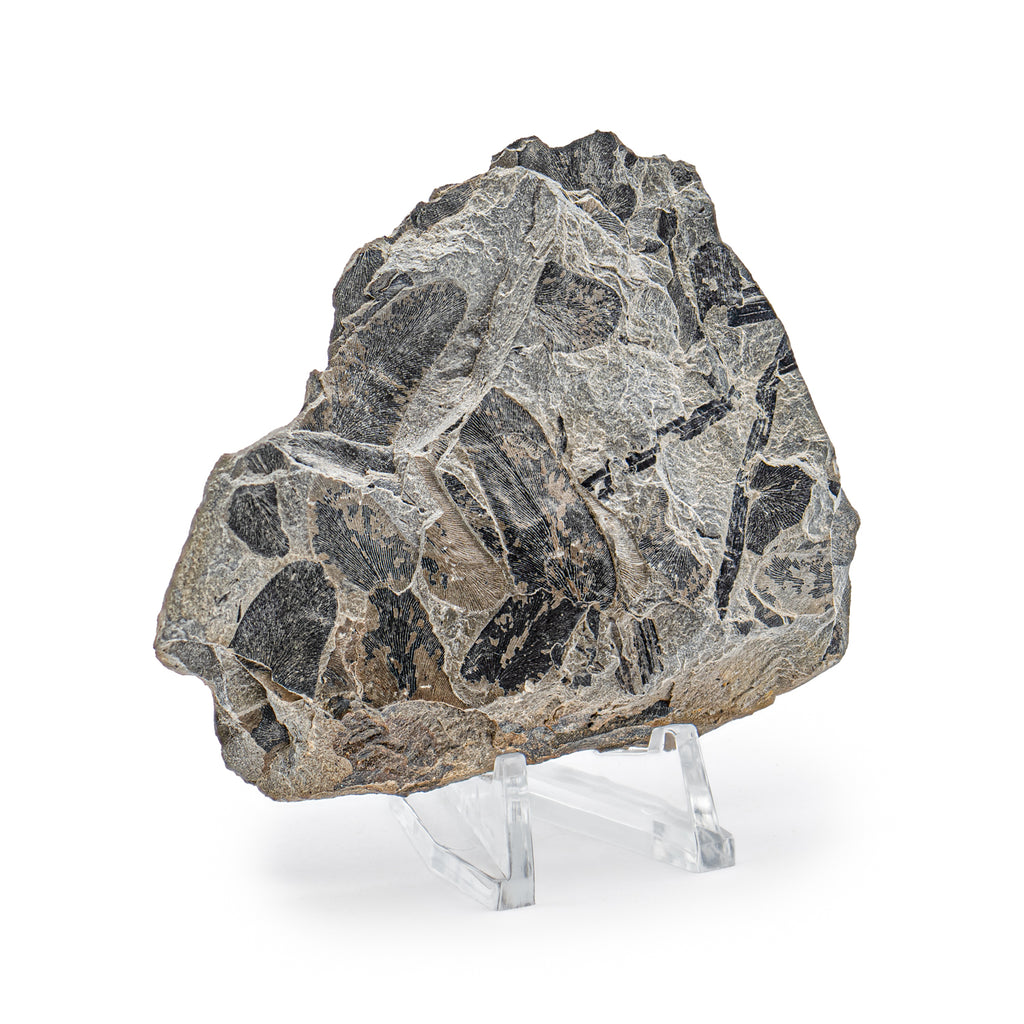

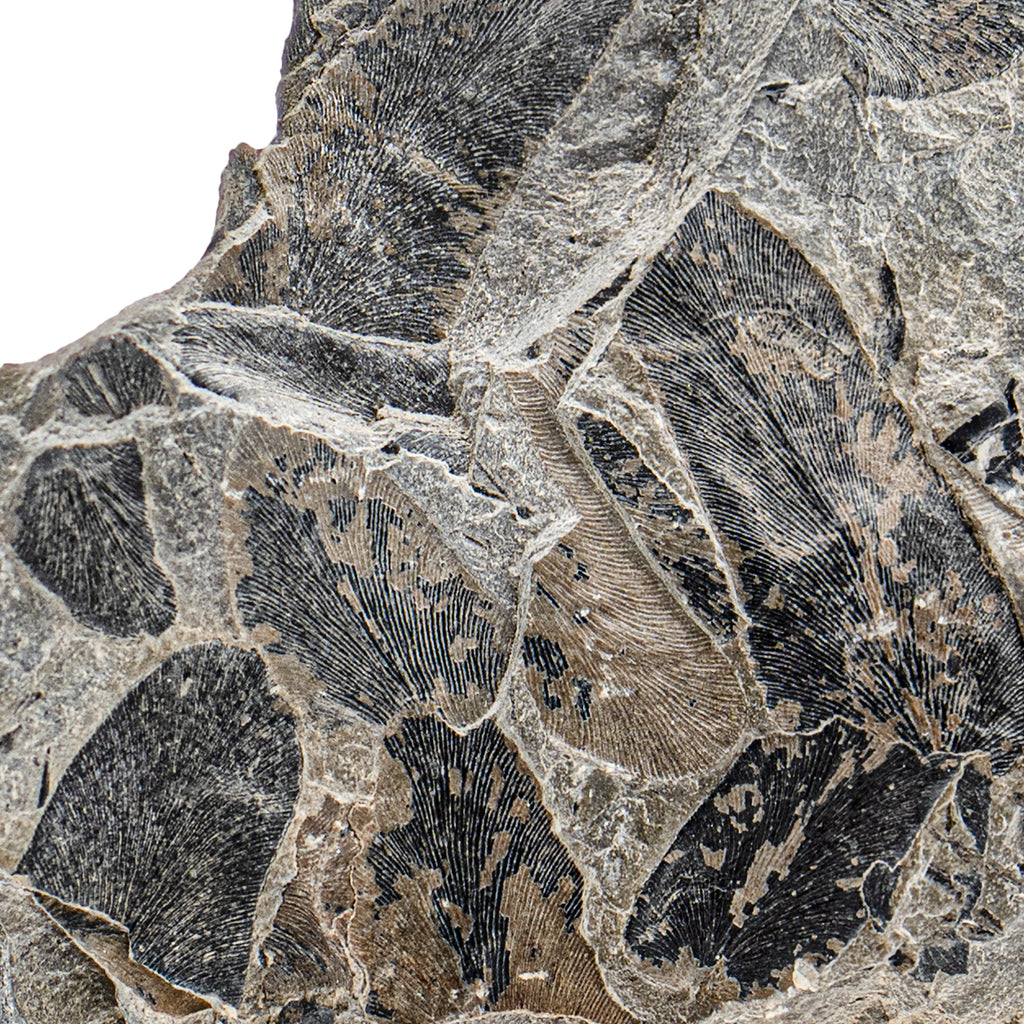




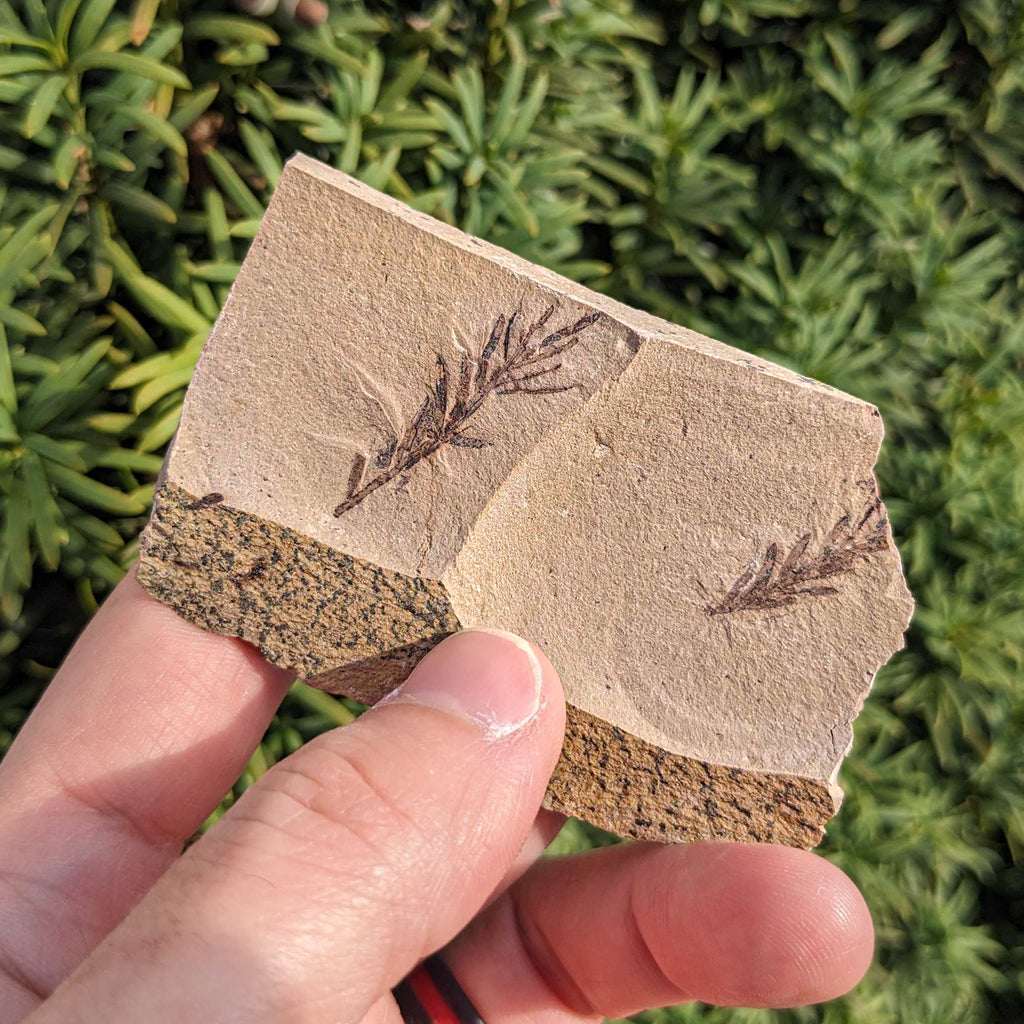

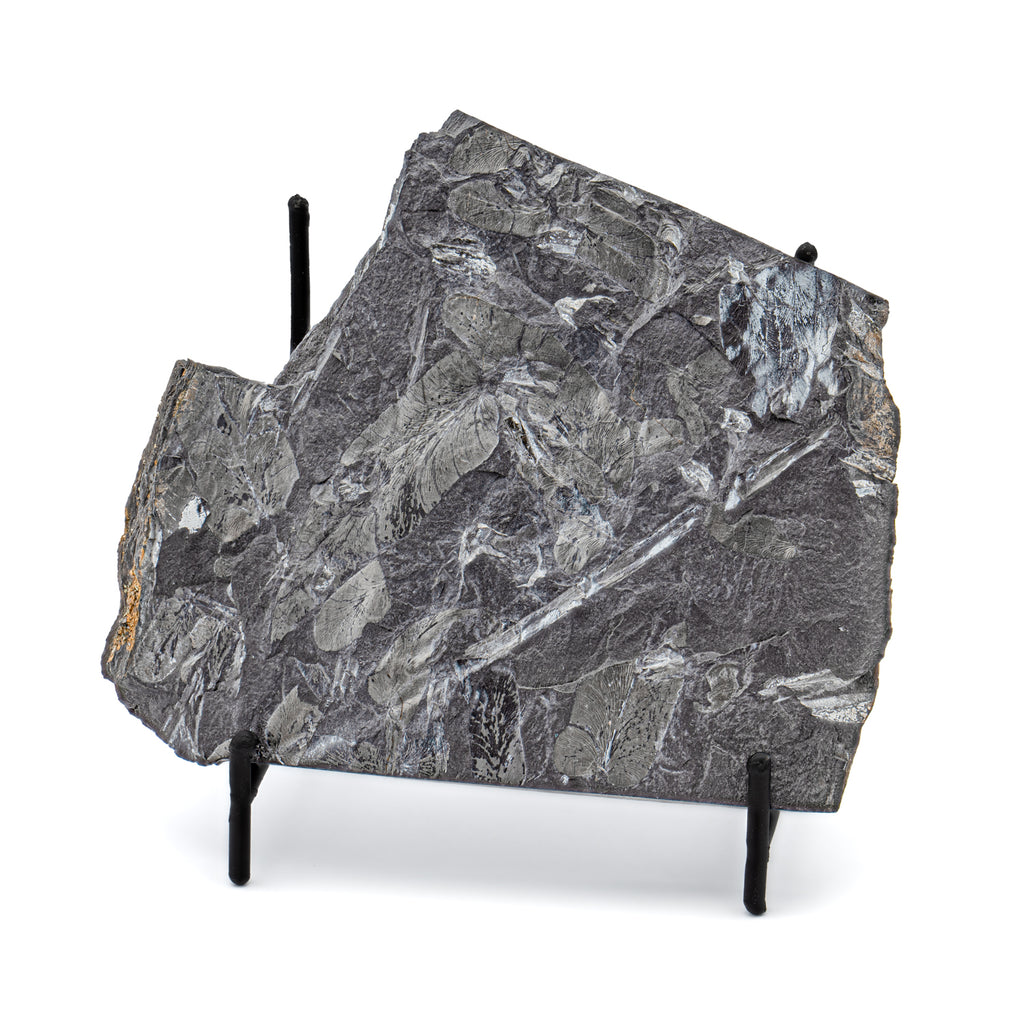

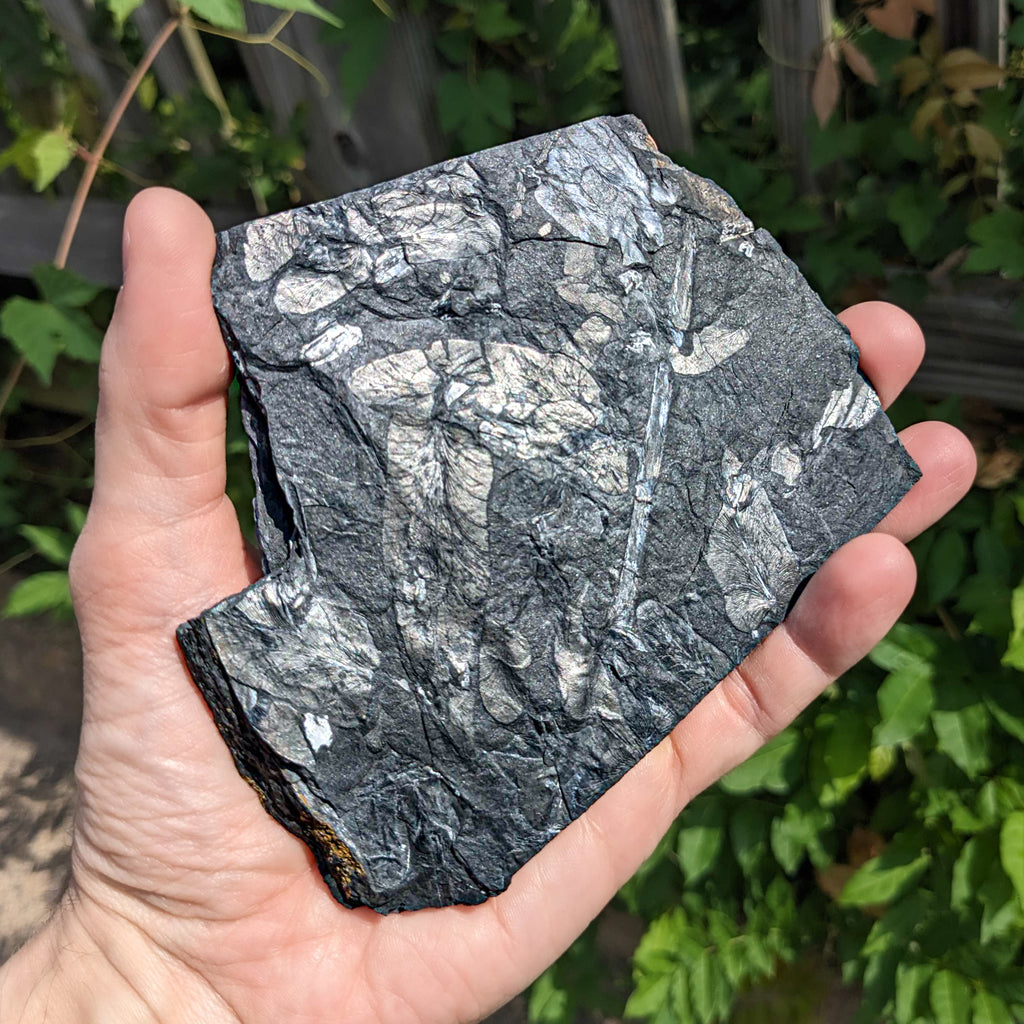


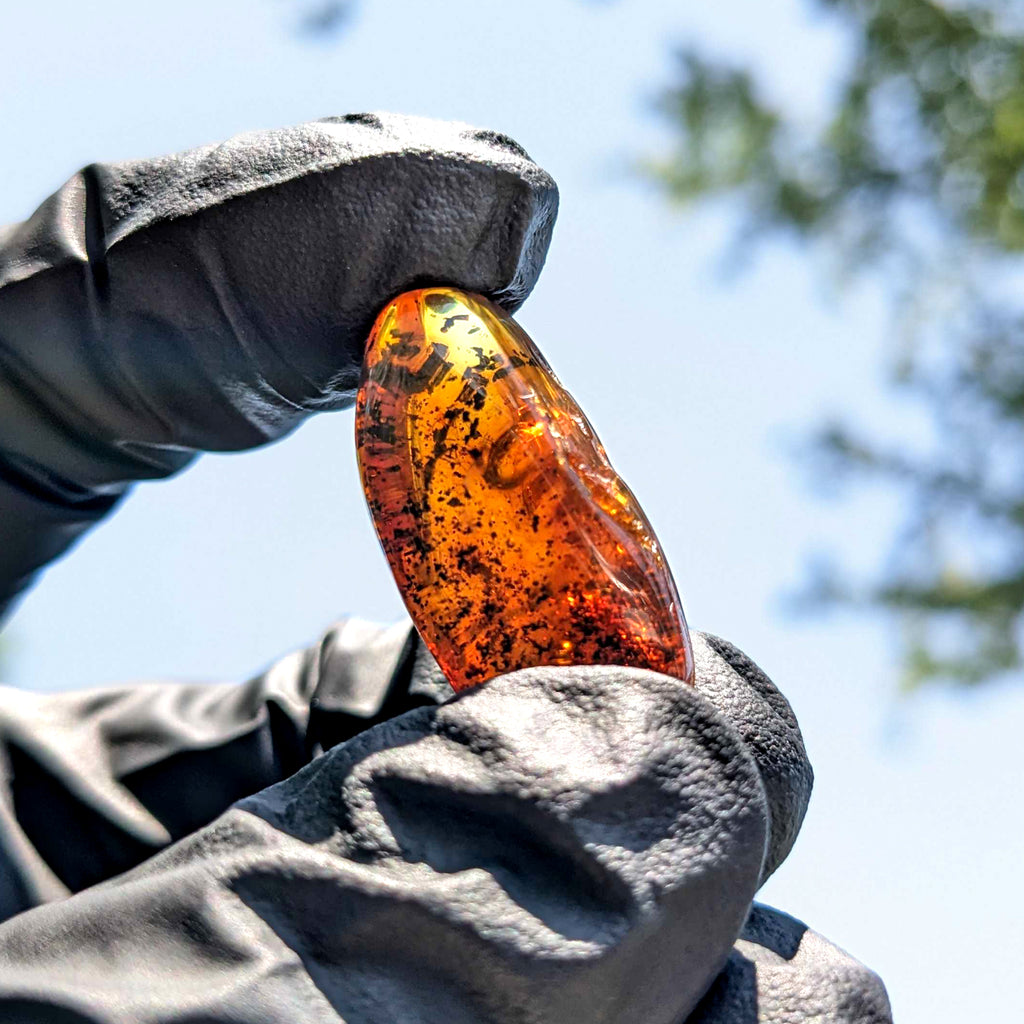

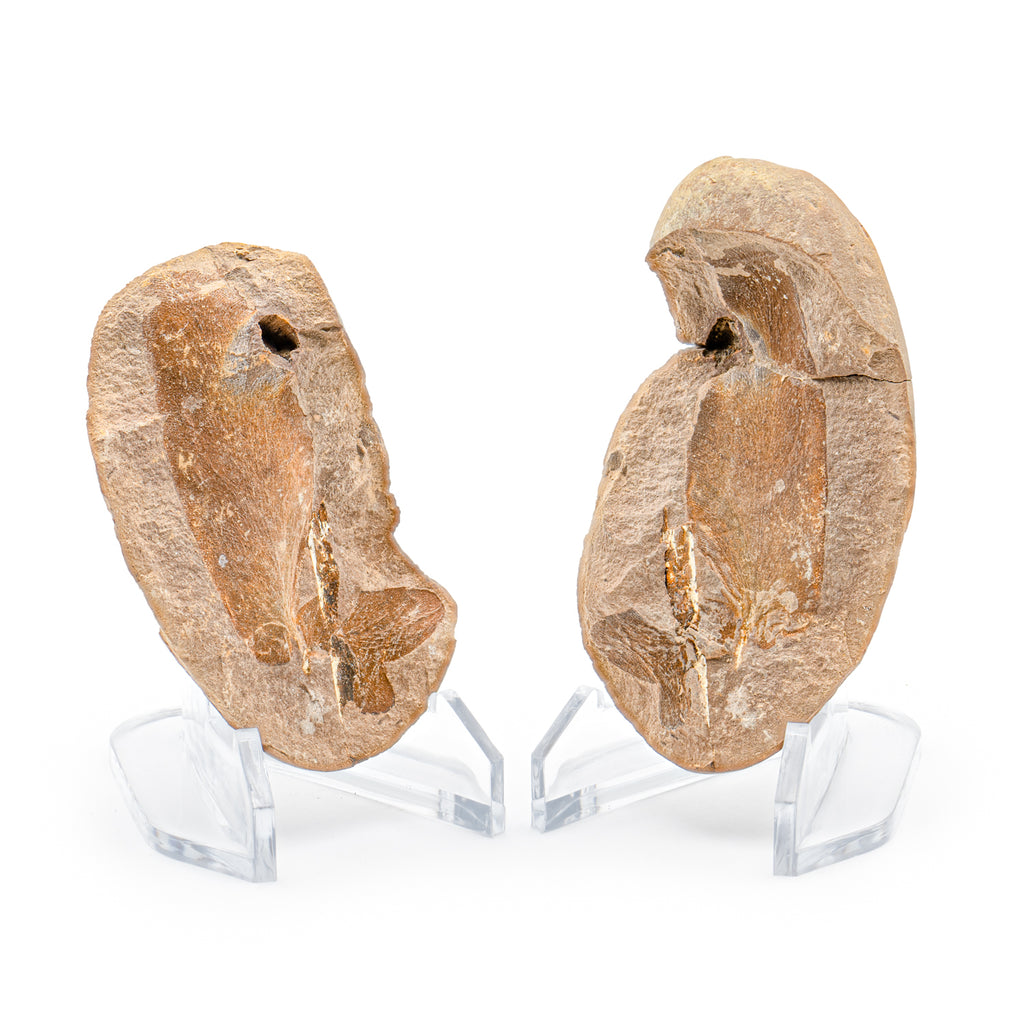

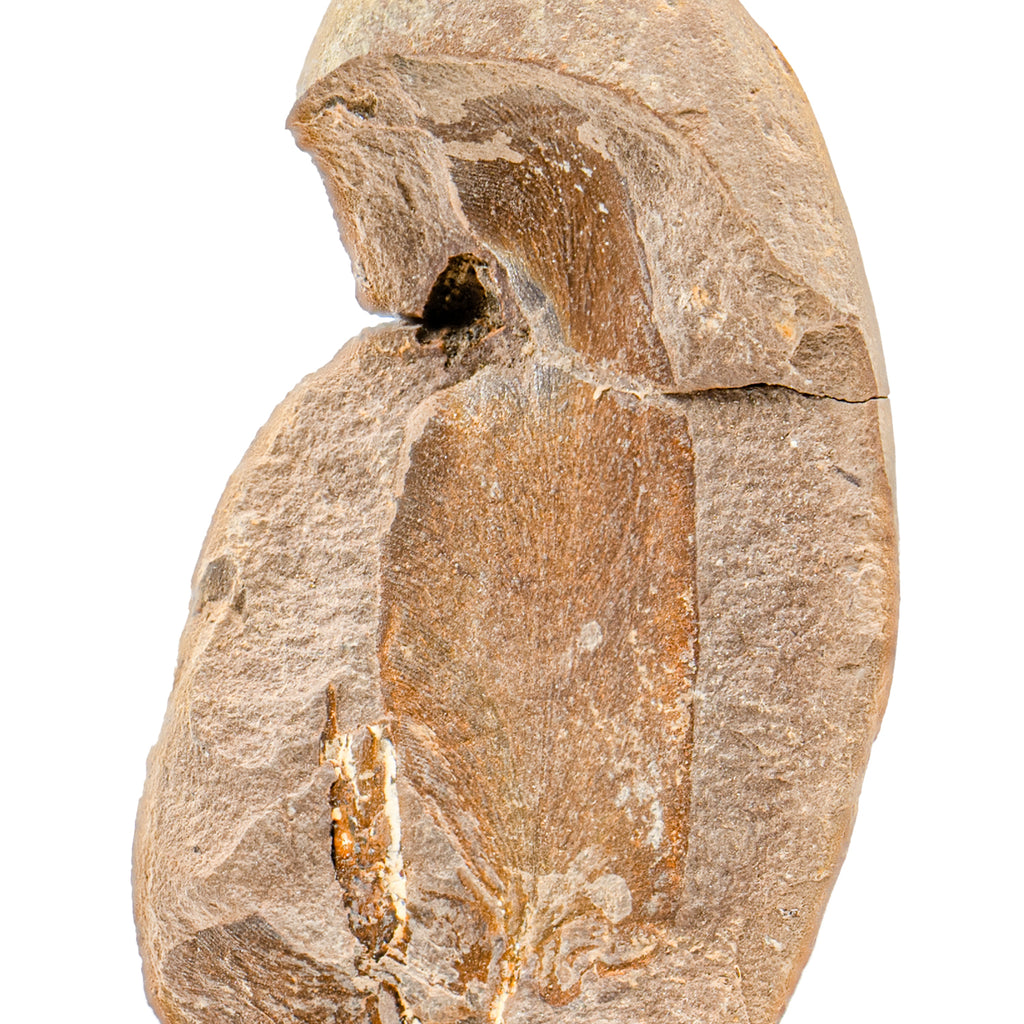

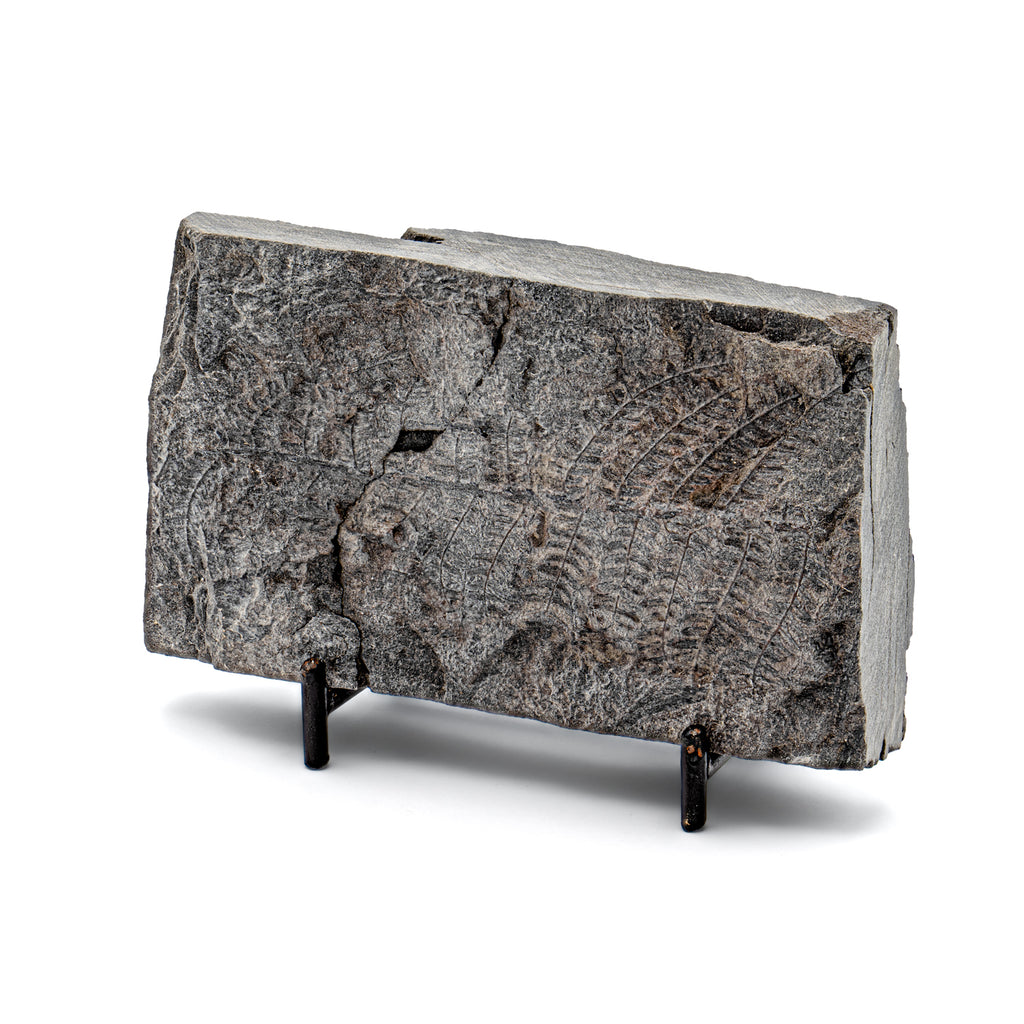

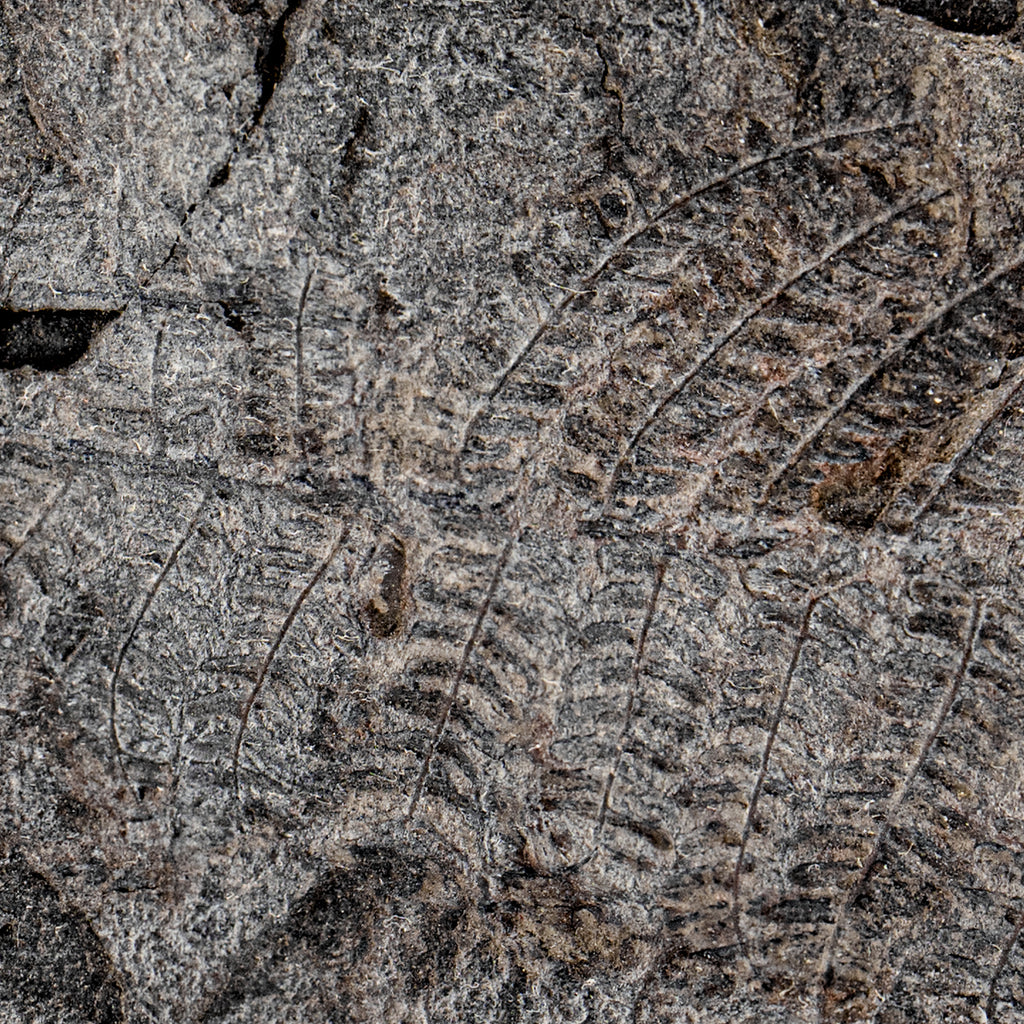


📸 FOSSIL LYCOPOD SPECIMEN
MORE ABOUT LYCOPODS


📸 CARBONIFERIOUS PALEOART, DEPCITING CLUBMOSS
THE FIRST VASCULAR PLANTS
Lycopods are some of the earliest vascular plants in the fossil record, appearing during the middle of the Silurian Period about 425 million years ago. The class is comprised of three families: the Selaginellaceae, the Lycopodiaceae, and the Isoetaceae; or spikemosses, clubmosses, and quillworts, respectively. Though there are considerable differences between the families, Lycopods can be identified by a long creeping stem that may grow above or just below ground, from which belowground roots or aboveground shoots grow. All Lycopods reproduce using spores.


📸 MODERN CLUBMOSS
By the time of the Devonian Period, Lycopods had evolved into the size of modern trees. By the time of the Carboniferous Period 300 million years ago, Lycopod forests were a common feature on Earth, the plants continuing to spread as plant life defined the planet. Though Lycopods still live today, their larger forms did not survive the shift into a cooler climate that came at the end of the Carboniferous. The sprawling fossilized root systems found in Carboniferous coal deposits speak to the scale these plants once achieved 300 million years ago.
Further Reading
Sessa, Emily. Ferns, Spikemosses, Clubmosses, and Quillworts of Eastern North America. 1st ed. Princeton: Princeton University Press, 2024. Web.
Carboniferous Lycopod Tree Root - 12.094"
Carboniferous Lycopod Tree Root - 5.660"
Antarctic Palm - 4.216"
Antarctic Palm - 3.993"
Antarctic Palm - 3.984"