
La Brea Tar Pit Showcase - Hydrophilus (Water Beetle) - Rough Tar - SOLD 3.257"


La Brea Tar Pit Showcase - Hydrophilus (Water Beetle) - Rough Tar - SOLD 3.257"
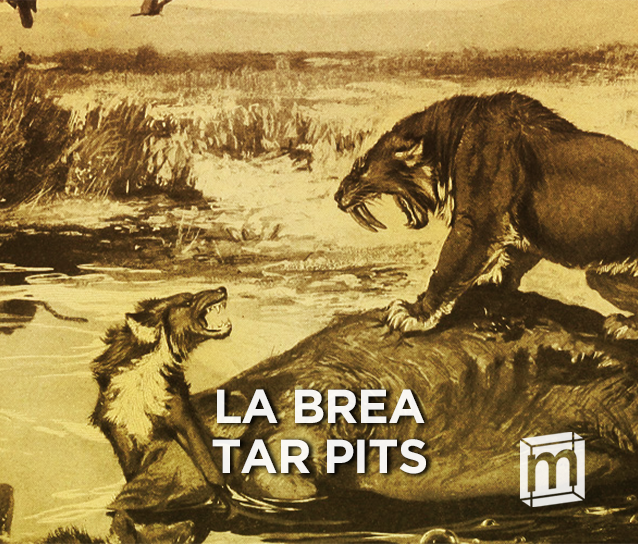
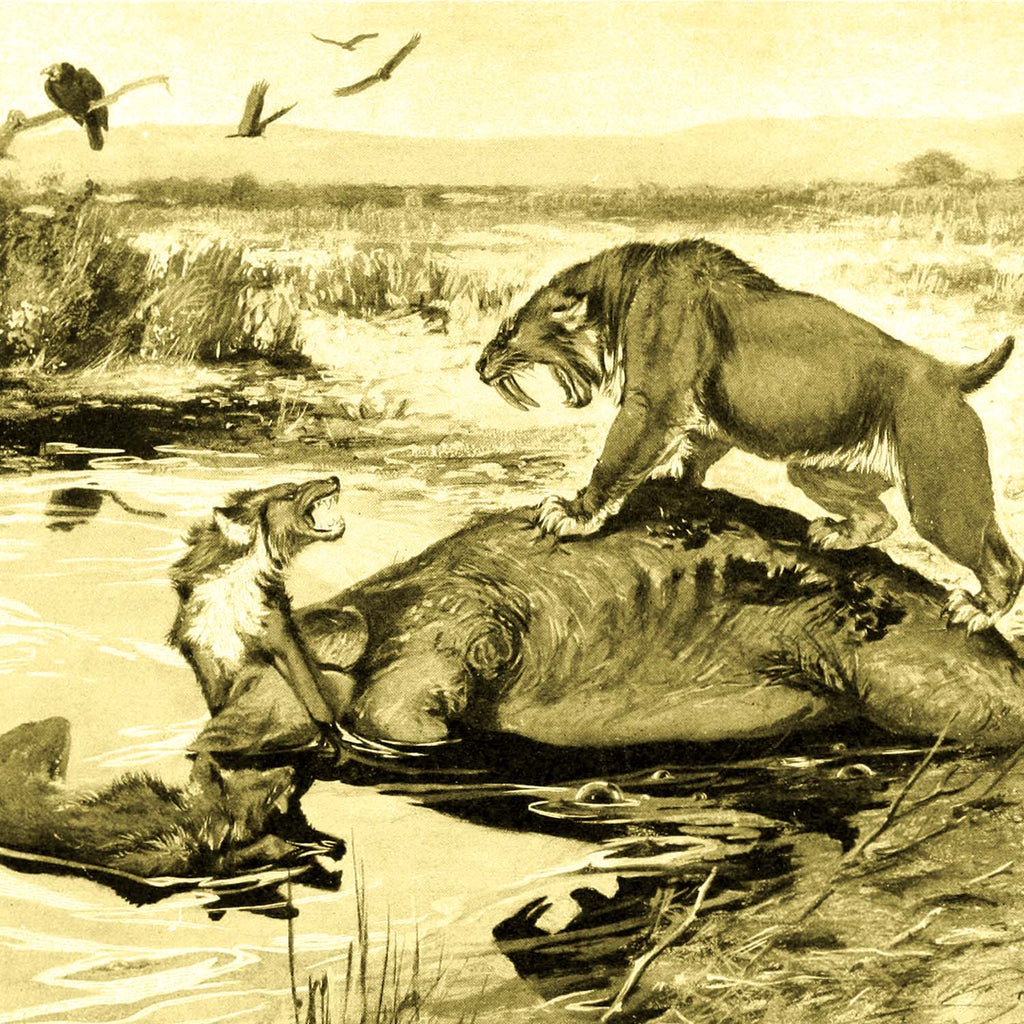
Above: The front of the Specimen Card for the Tar Pit Specimen. (Source: Smilodon californicus and Canis dirus fight over a Mammuthus columbi carcass in the La Brea Tar Pits, Robert Bruce Horsfall, 1913)
The La Brea Tar Pits are among the most well-known petroleum seeps in the world. Over millennia, such seeps can become lake-like formations and trap unwary wildlife. Excavated animal remains at La Brea comprise nearly 700 different species, some dating back 40,000 years to the Late Pleistocene.
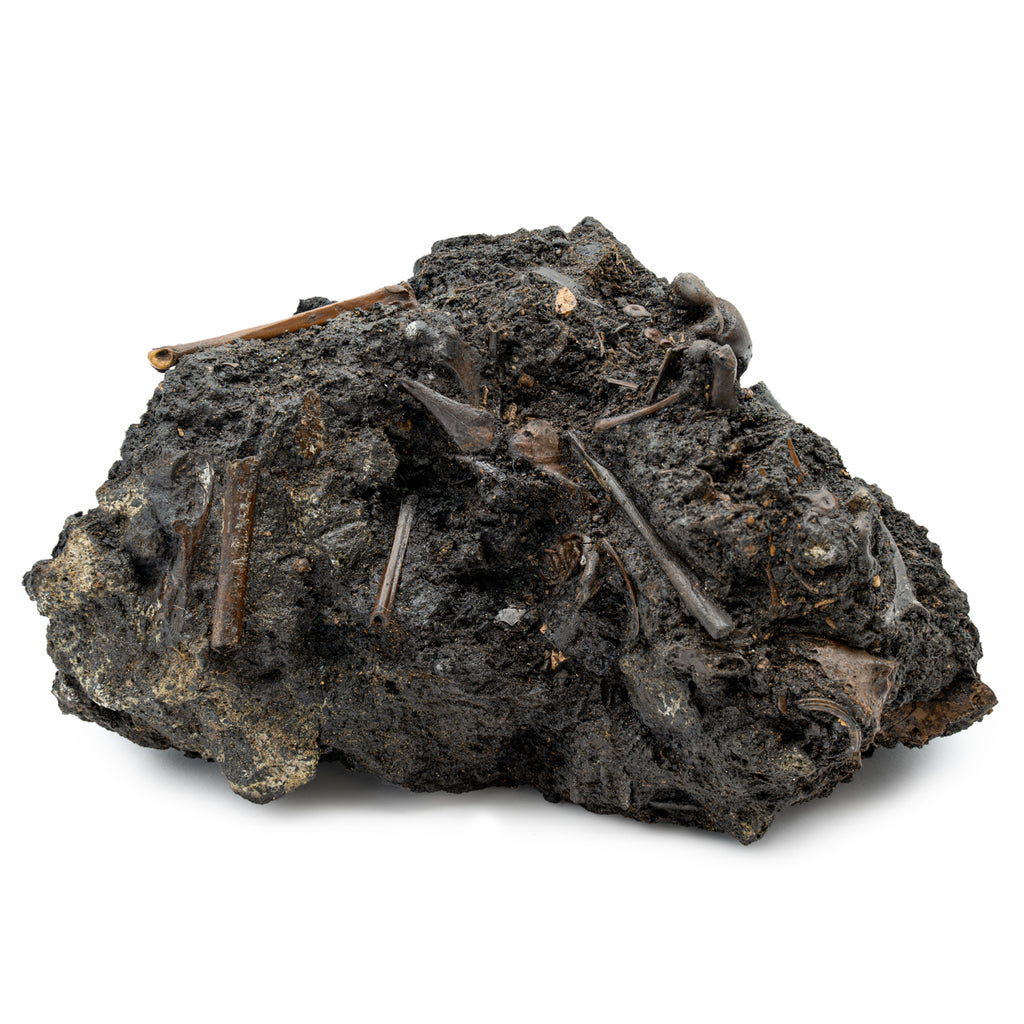
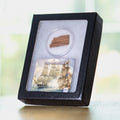
This specimen is a 3.257" piece of La Brea tar material which contains a complete Hydrophilus or Water Beetle carapace. A small information card is also included, which serves as the certificate of authenticity.

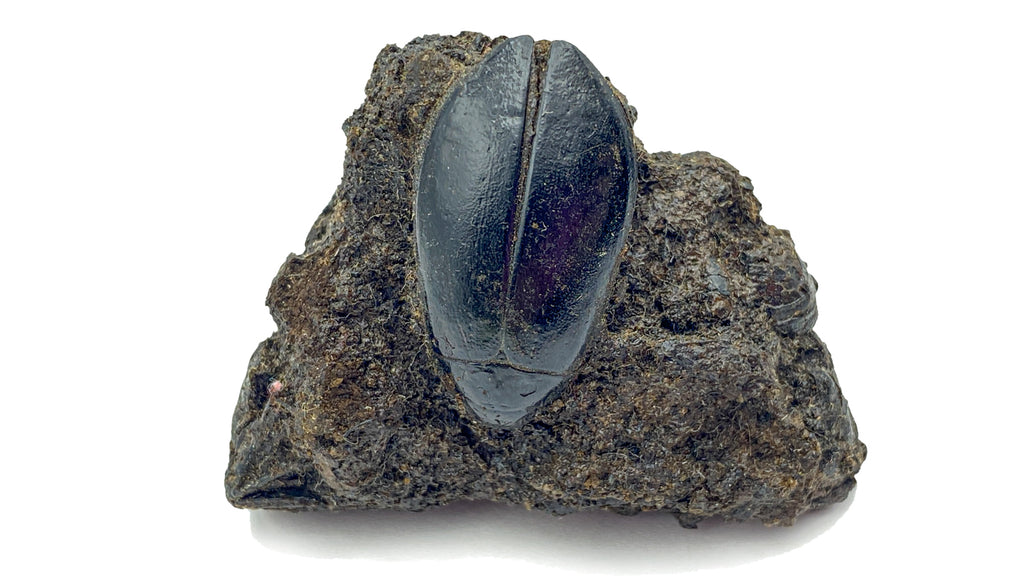
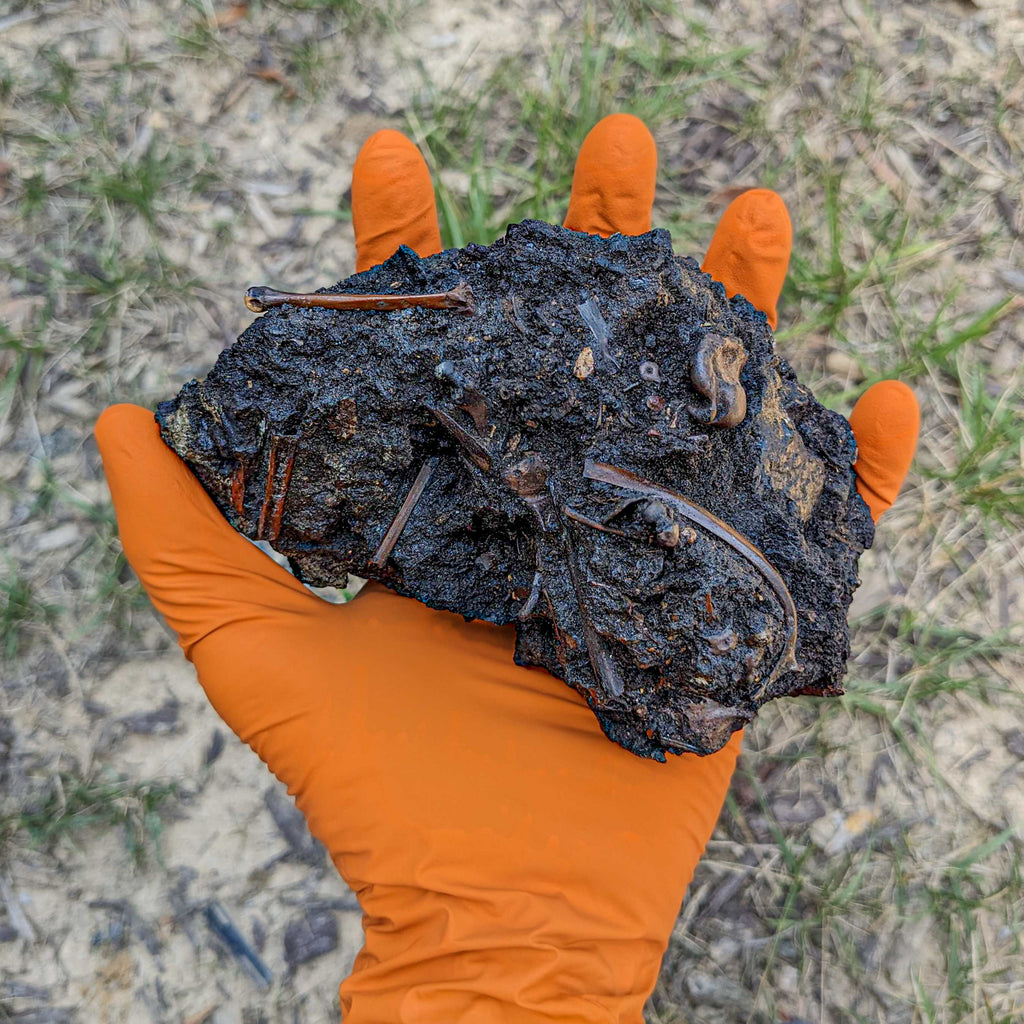
📸 A sample La Brea Hydrophilus Beetle
A Perserved Ecosystem
At the La Brea Tar Pits in California, remains of ancient life are found in the bubbling oil which reveal new information about what the planet used to be. Beetles, foxes, wolves, saber cats, and more have all been discovered preserved in the tar which paints an incredible picture of the Pleistocene ecosystem.
40,000 years ago, the La Brea Tar Pits were a natural formation of oil seeps that were masked with dead leaves and plants. When prey animals got caught in these seeps, larger predators could be drawn in and also trapped. Over time, the tar would bury them and seal their bodies in preserving material for thousands of years.


This specimen is a fossilized Hydrophilus beetle. Individually priced, these large fragments of tar pit material include visible remains of scavenger water beetles from La Brea. They come from a mid-20th century collection and are rarely seen these days. So, once they are gone, they are unlikely to return, though we will certainly keep looking because they are amazing. These specimens are carefully wrapped and shipped in sturdy cartons. They will include a small specimen card, which also serves as the certificate of authenticity. The noted size of the specimen is based on the overall length of the material, not any individual beetle within.
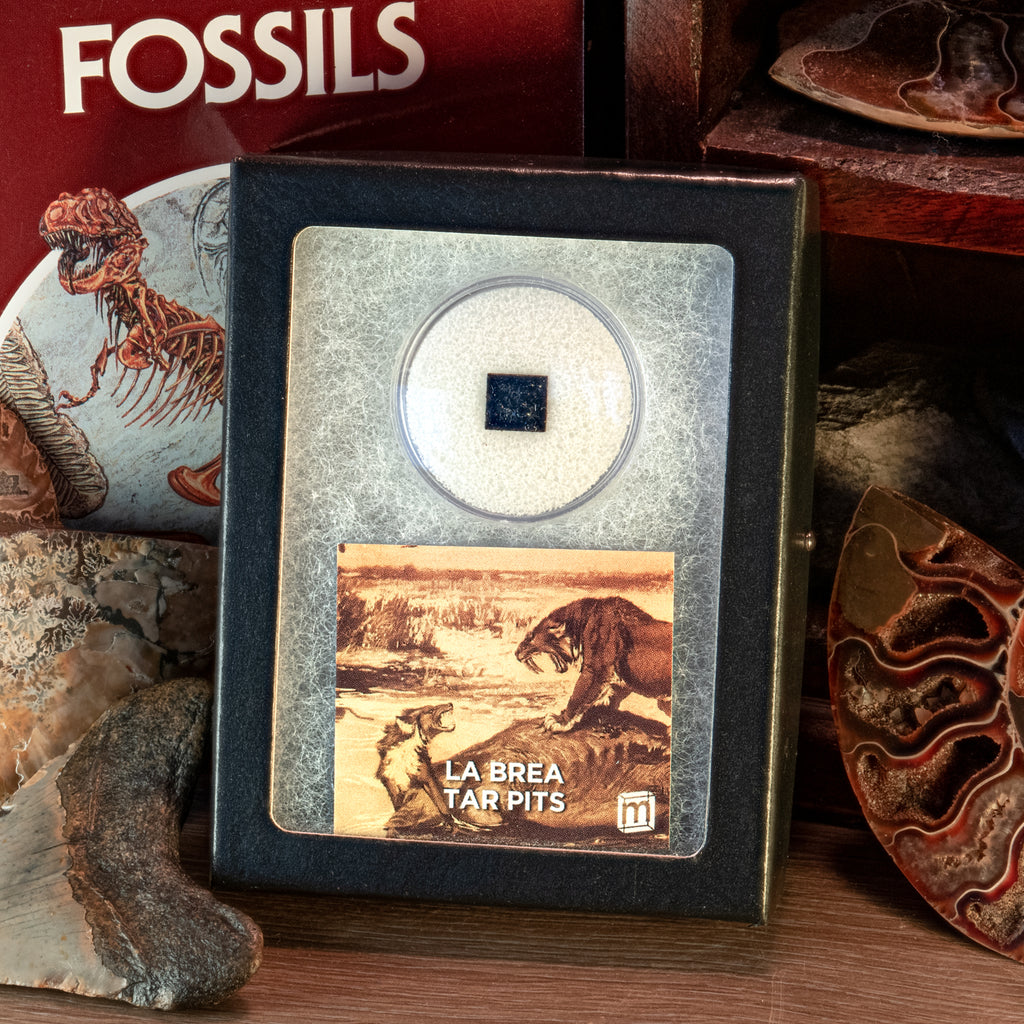
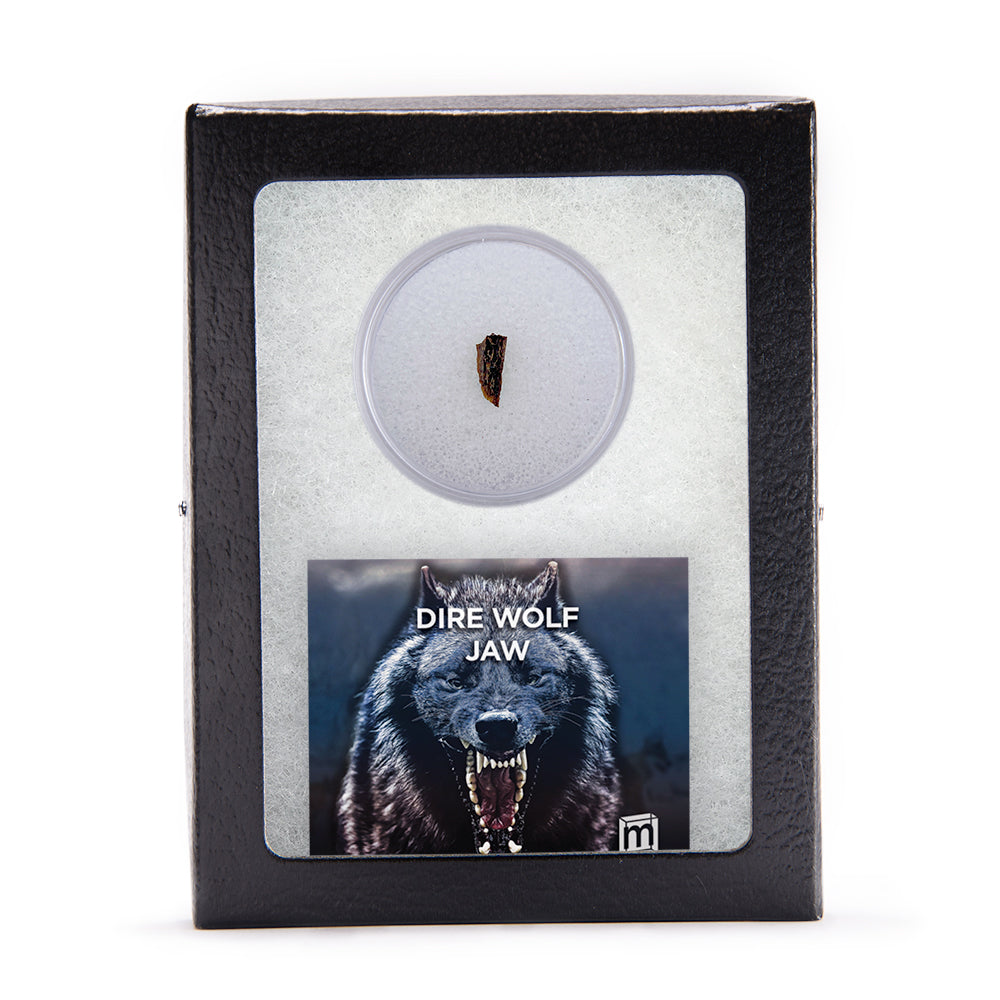
The beetle ships in a sturdy carton and also comes with a certificate of authenticity and an informational photo card.
Please Note: All of these specimens are products of petroleum seeps, as such, they will be oily and dirty. They will also smell faintly of charcoal or tar.
We also recommend handling these specimens with gloves. We have taken great pains to carefully wrap the larger specimens for transport. It is possible though that the rough material may crumble a bit in transit. This is completely normal, but you should be careful when opening. Definitely avoid white shag carpet.
Additionally, we do have some larger specimens from the Tar Pits and a smaller, riker box specimen size available below.





MORE ABOUT Petroleum Seeps and La Brea
"We weren’t looking for stuff living in it." ~ John Harris, Paleontologist and Chief Curator at the Page Museum

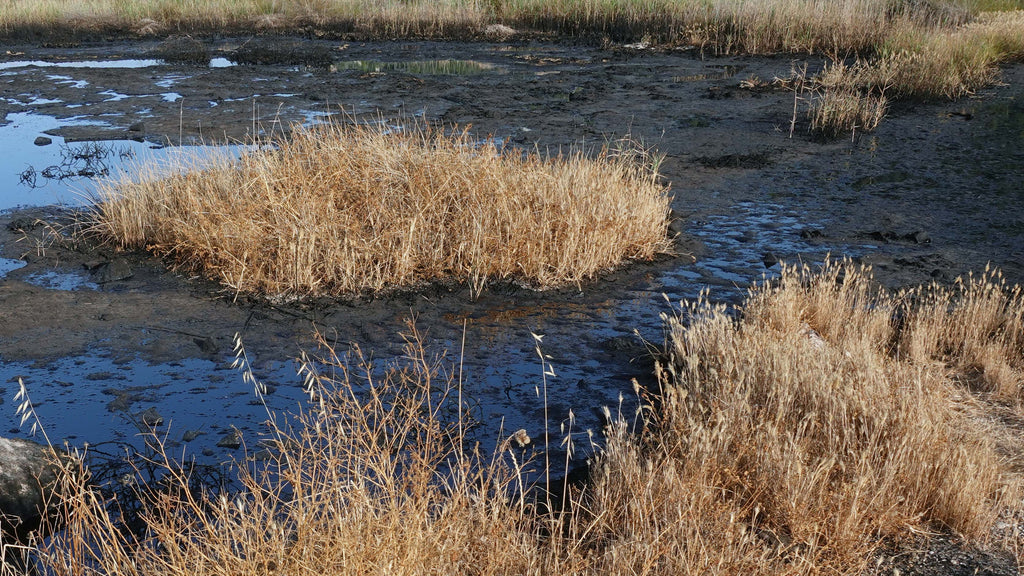
📸 A Modern Day Petroleum Seep. Care for a swim?
How to make a tar pit
Dirt, leaves, or even water can cover the seep, turning the surface into a sticky trap. Once caught in the viscous tar, the animals die, though perhaps not without attracting other animals who prey on the remains and often become trapped as well.
Tar pits, also known as petroleum seeps, are formed by the hydrocarbons stored in deep oil and gas reservoirs leaking out of folded layers of sedimentary rock and bubbling upwards. This tar can squeeze through faults in the stone or in particularly porous rocks, rising to the surface and becoming a thick, sticky asphalt. Over many thousands of years, seeps can grow into large lakes, widening and pooling into deep areas of tar.
The remains from the La Brea Tar Pits speak to an ancient cycle of life and death. Yet, there are always surprises in science, and in 2007 scientists discovered living microbial communities deep within the hardened layers of tar. This unexpected find is leading to new ways of thinking about life here on Earth and elsewhere.
📸 Close-up image of the 1.95" Hydrophilus (scavenger water beetle) Specimen.
After the animal is consumed by the pit, its remains are surrounded with asphalt which protects them from weathering and decomposition. This allows for excellent preservation and fossilization, which often appears with a dark brown tint from the surrounding tar.
Due to the nature of the animal’s entrapment, clusters of fossils from many creatures of different species can often be found together. Ordinarily, predators will be found first, with the prey they chased below them. Common species include smilodons, dire wolves, coyotes, bison, ground sloths, as well as birds, insects, and reptiles.

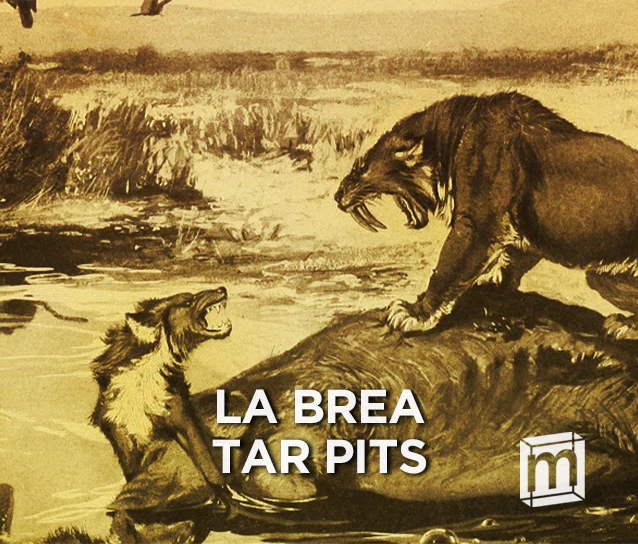
Front of the Specimen Card

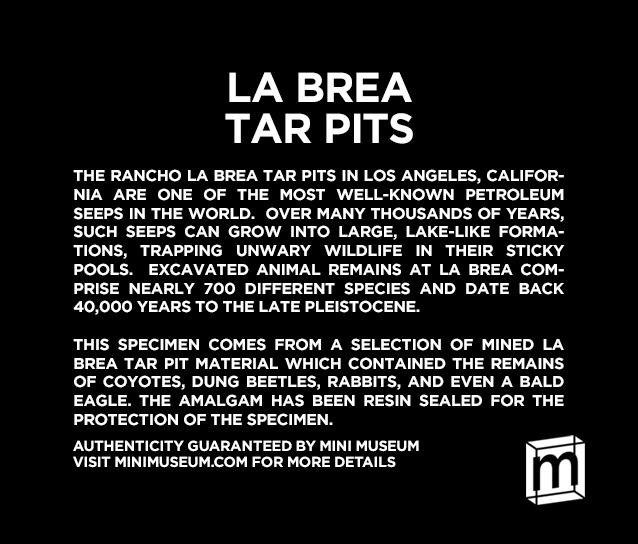
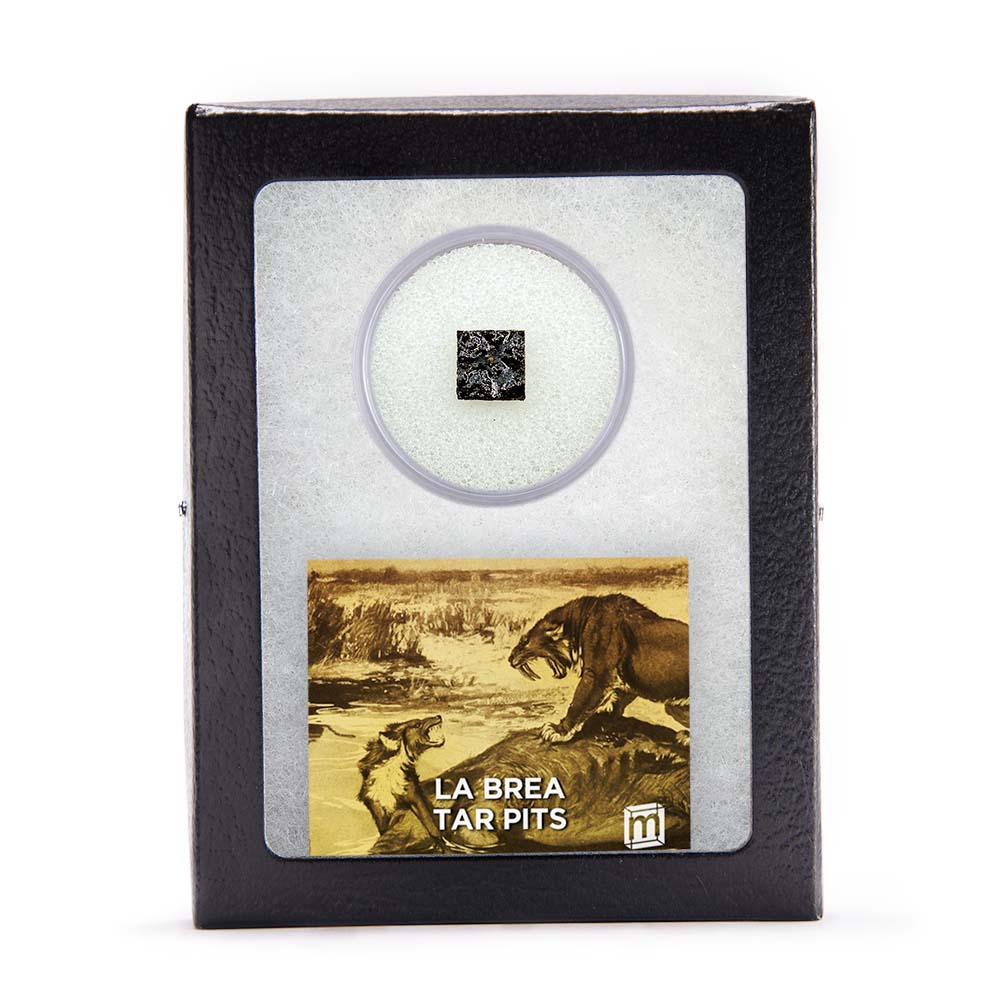
Back of the Specimen Card
Further Reading
VanValkenburgh, Blaire, and Fritz Hertel. "Tough times at La Brea: tooth breakage in large carnivores of the Late Pleistocene." Science 261.5120 (1993): 456-459.
Kim, Jong-Shik, and David E. Crowley. "Microbial diversity in natural asphalts of the Rancho La Brea Tar Pits." Applied and environmental microbiology 73.14 (2007): 4579-4591.
Gold, David A., et al. "Attempted DNA extraction from a Rancho La Brea Columbian mammoth (Mammuthus columbi): prospects for ancient DNA from asphalt deposits." Ecology and Evolution 4.4 (2014): 329-336.













%20-%20Rough%20Tar%20-%20SOLD%203.257")