Aquatic Adventures Mini Museum Mystery Box - Series #1 - Ocean Fossils


Aquatic Adventures Mini Museum Mystery Box - Series #1 - Ocean Fossils
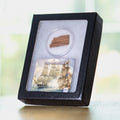
A mystery blind box of authentic and amazing undersea specimens! Each Aquatic Adventures Mystery Box includes four fossils from the deep sea, including a 66,000,000-year-old Mosasaur tooth fossil and a selection from the following:
- Otodus Shark Tooth
- Enchodus Fang
- Sea Urchin
- Trilobite
- Belemnite Shell
- Orthoceras
- Cultured Pearl
- Ammonite
- Brachiopod Pocket Fossil
- Crinoid Fossil "Star Stick"


MOSASAUR TOOTH
Included in each Aquatic Adventures Mystery Box is a 66,000,000-year-old Mosasaur tooth, an aquatic reptile predator from the Cretaceous!
If we look first to the sea, the Mesozoic Era might not be known as the Age of Dinosaurs, but rather as the Age of Marine Reptiles.
Since the first Mosasaur skull was discovered in 1764, our knowledge of this large family of marine reptiles has come primarily from skeletal remains. Mosasaurs ranged in size from 3.3 ft to 57 ft. Their skulls were flexible and their jaws are double-hinged. While this arrangement probably allowed a Mosasaur to swallow prey whole, the alignment of a Mosasaur's teeth with "bony crypts" to protect emerging teeth also suggests Mosasaurs likely crushed bones as frequently as they tore into flesh.
This specimen is a fossil tooth from a 66,000,000-year-old Mosasaur!


OTODUS SHARK TOOTH
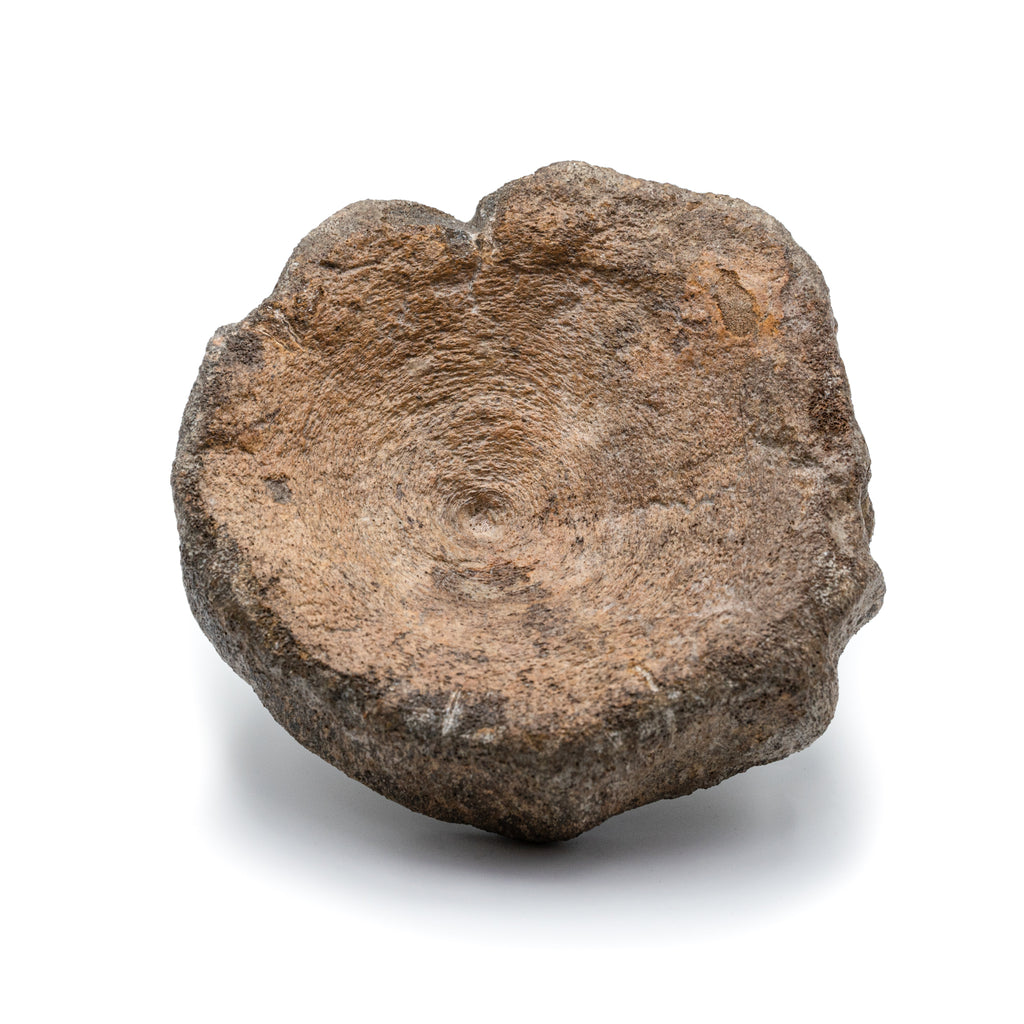
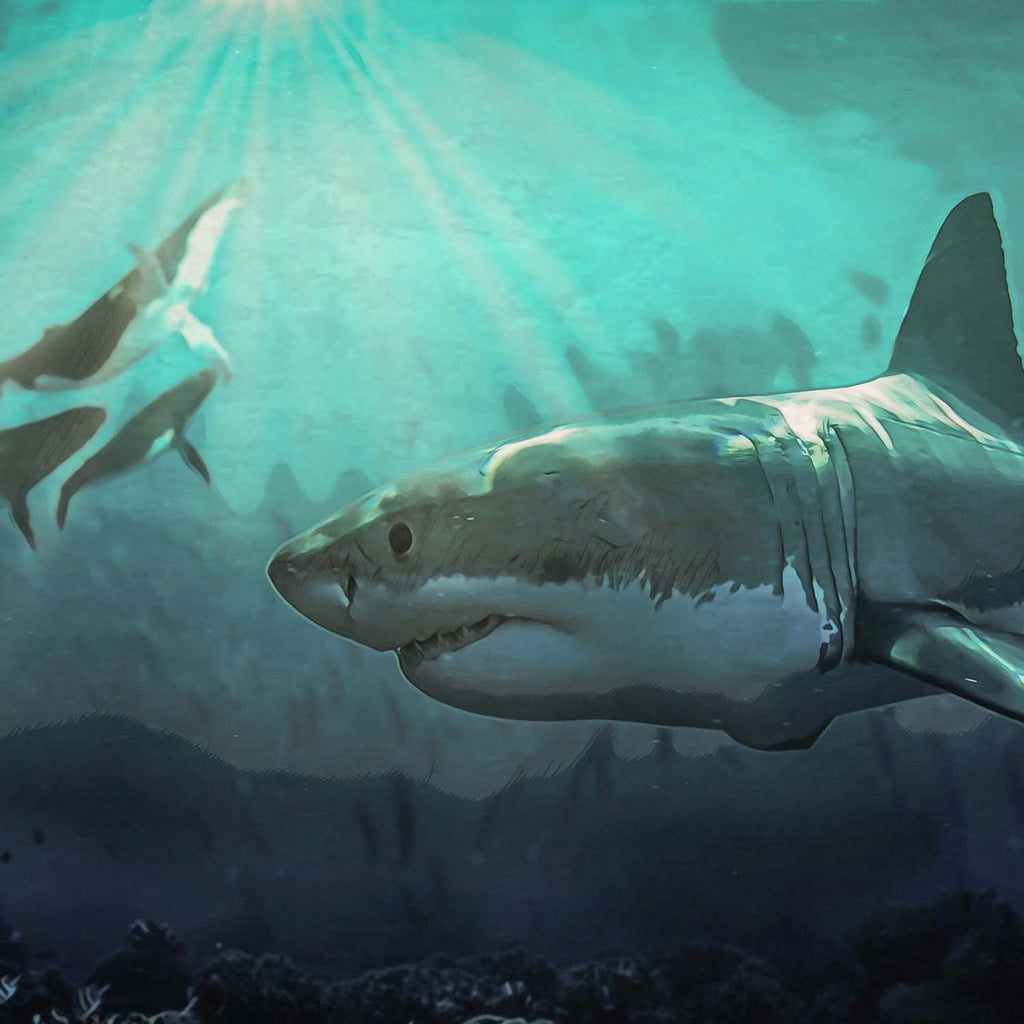
During the Paleocene Epoch, the Megatoothed sharks emerged as apex predators, dominating the seas for nearly 60,000,000 years. Otodus obliquus was the first of these giant ocean predators, with vertebrae over 5 inches in diameter, and an estimated body length between 30 to 40 feet, the creature was nearly as long as a bus.
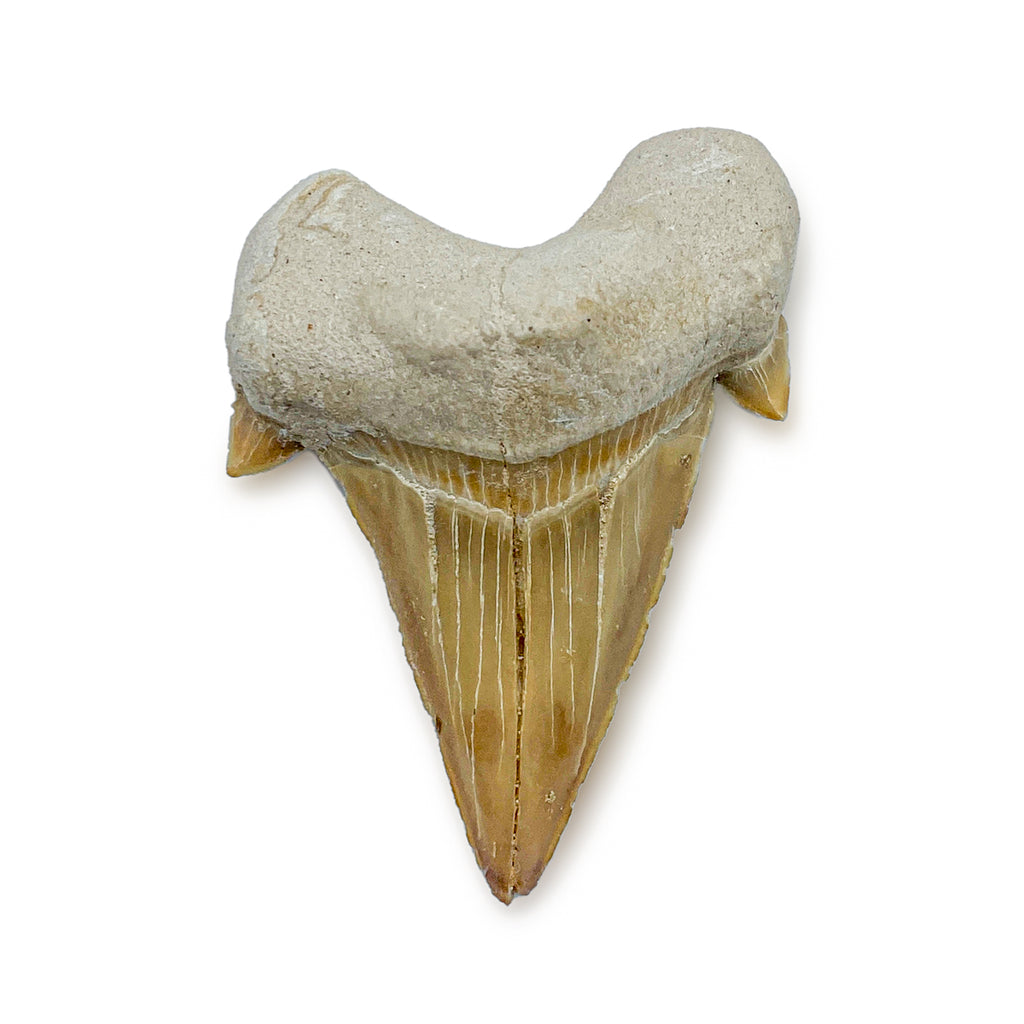
Otodus’ long, smooth teeth were ideal for puncturing fish. In addition, the main tooth was flanked by two smaller structures called cusplets. These miniature teeth helped the shark latch onto its prey and hold its meal in place.
This fossil is an Otodus obliquus tooth, estimated to be 40,000,000 to 60,000,000 years old.


ENCHODUS FANG
While prehistoric fish came in all shapes and sizes, Enchodus stands out from the crowd thanks to its serious bite. While this Cretaceous Period fish was by no means the most massive or dangerous predator of its time, it still struck a fearsome appearance with four elongated teeth that protruded from its mouth like fangs. These teeth could grow up to 2.4 inches, and earned Enchodus the nickname: “the saber-toothed herring,” though it is more closely related to modern trout and salmon.
Species of Enchodus were able to survive past the K-Pg boundary, the extinction event which ended the dinosaurs as well as many of Enchodus’ contemporary predators, and would continue to appear in the fossil record until the late Eocene. For at least 63 million years, Enchodus and its powerful fangs could be found across the ancient seas.
This specimen is an Enchodus fossil fang from a Cretaceous Period deposit in Morocco.


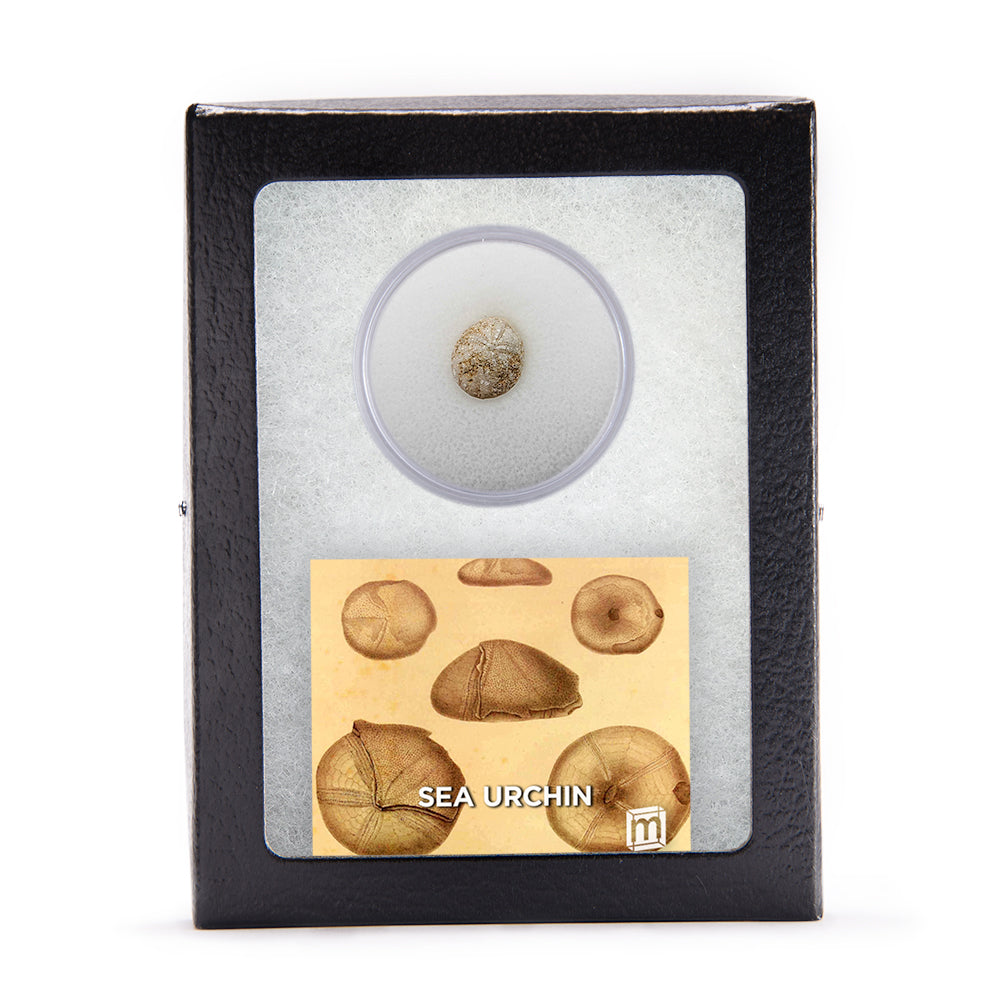
SEA URCHIN
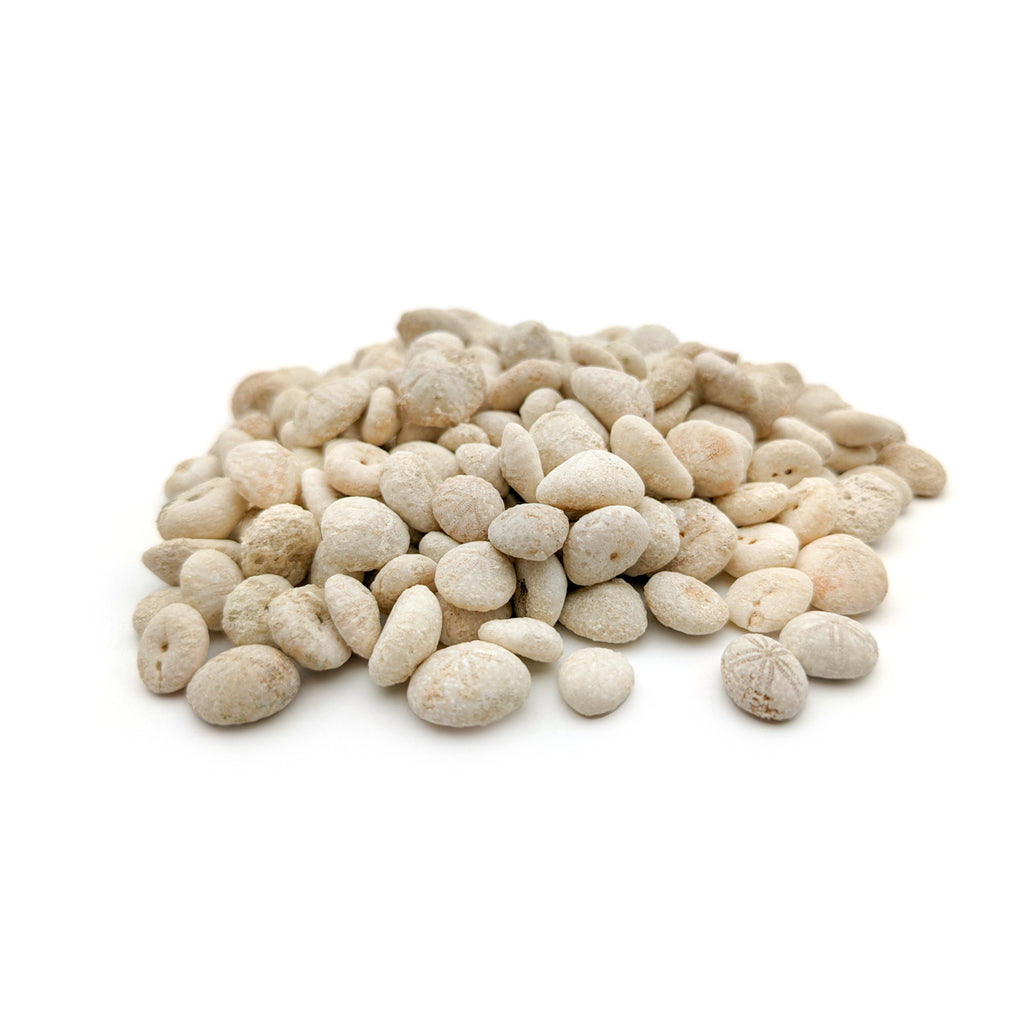
Ancient sea urchins, small and spiny creatures, have existed for millennia. These echinoids first appeared in oceans 450 million years ago, where they fed on algae and sponges. Their flexible spines’ purpose was two-fold: to protect against predators and allow for the slow crawl towards the urchin’s next meal. Buried for millions of years, their fossils appear in many places where those oceans once were and have inspired human cultures for thousands of years as thunderstones from the gods, though their true origin is far older.
This specimen is an Echinolampas urchin from the Samlat Formation in Morocco. These deposits date to the Eocene, roughly 35,000,000 years ago.


TRILOBITE
Hardy, resilient sea creatures that comprise over 5,000 discovered types, trilobites are a shining example of the adaptability of life on Earth. Their fossilized exoskeletons are found almost everywhere, with species evolved for hunting in schools, voyages in open waters, and even short trips on dry land.
Trilobites had an incredibly varied amount of lifestyles to match their many variations in form. Fossils have been discovered in areas that would have been shallow basins of saltwater as well as the floors of ancient trenches. Ocean floor scavengers, predators, filter feeders, swarming schools, and even open water swimmers have all been suggested modes of survival of different groups. There is even evidence some species made short trips onto dry land.
This trilobite is estimated to be 350,000,000-400,000,000 years old.


BELEMNITE SHELL
Belemnites are cephalopods, appearing much like small squids but supported with an internal shell made of calcium carbonate. The inner shells, or rostrums, provided skeletal structure and stability to these sea creatures and their fossils have been important pieces of folklore to humans since ancient times.
Cephalopods are incredible creatures with fascinatingly intricate bodies which have existed for hundreds of millions of years. Due to their soft body tissue, most leave behind little in the fossil record, but belemnites are one exception. Thanks to an internal shell that acts as a calcium carbonate skeleton, these creatures' anatomy has been known through 200 million years of the oceanic fossil record. Within these skeletal shells, or rostrums, are traces of the oceans' geochemical makeup, with impressions of bursts of life and extinction events alike preserved within.


ORTHOCERAS
Orthoceras was an Ordovician cephalopod with a calcium carbonate shell which provided excellent physical protection against their natural predators. As the animal grew, it would seal off chambers of its shell by building internal walls called septa. The septa only had one opening, through which ran a thin tube of tissue called a siphuncle.
Moving a heavy shell could be difficult for a soft bodied cephalopod, but an incredible solution evolved alongside the shell itself. As the animal grew, it would seal off chambers of its shell by building internal walls called septa. The septa only had one opening, through which ran a thin tube of tissue. This tube, called a siphuncle, pulled water from the empty chambers through osmosis and left them full of light gasses.


CULTURED PEARL
Cultured pearls are treasures that have been sought after for centuries and a unique intersection of human-made and natural processes. By inserting a round bead into a mollusk, nacreous pearls can be formed and harvested in 18 months. Farming pearls was first perfected in Japan and has been adopted all over the world. The results are a marvel of both science and beauty.
This specimen is a cultured pearl harvested from a freshwater farm on the Tennessee River.


AMMONITE SHELL
A bizarre but beautifully geometrical creature, the ammonite survived multiple mass extinctions, before finally succumbing during the end of the Cretaceous Period. A clade with many different sub-species, there are multiple different aesthetic variations among the ammonites, creating a cornucopia of patterns on their fossilized shells.
This item is a fossilized ammonite shell estimated to be around 66,000,000 years old from Cretaceous deposits in Madagascar.


Brachiopod Pocket Fossil
Brachiopods are an incredibly diverse group of shelled animals that first appeared in the fossil record during the Cambrian Explosion. Across 12,000 fossil species and 350 living species, these persistent creatures are still going strong 500 million years later.
This specimen is a fossil brachiopod shell from the Stegerhynchus genus. It is dated to the Middle Silurian Period, 424 million years ago, and was found in the Waldron Shale Formation of Shelby County, Indiana.


Crinoid Fossil "Star Stick"
Crinoids are an incredible group of aquatic animals that attach themselves to the seafloor and filter feed with beautiful feathered arms. These creatures are echinoids, an ancient and varied group of life. Crinoids emerged in the fossil record over 541,000,000 years ago and some species still exist to this day.
This crinoid fossil was recovered near Talsint, Morocco. The fossil beds in this region are from the Bajocian Age of the Middle Jurassic Period and date to roughly 170,000,000 years old.